
It’s cold this winter!
I made it to the coffeehouse. Whiskey Sour, I said. It’s the name of a coffee, not a drink.
It was very quiet. We talked about the weather. We are all very, very sick of the weather. It is the coldest winter since 2001. It will be -11 tonight.
I remember the winter of 2001 very well: ninety days of snow on the ground without a break. A hard-core bicyclist, I rode all through that winter. I bicycled to the mall, to the library downtown, and once out to a lake with my husband: we wandered down a snowy hill to the beach.
Last year I was bicycling regularly by March, but this year it’s nothing but ice, wearing Yaktrax on your shoes (cleats), and last time I went to the gym, I got sick.
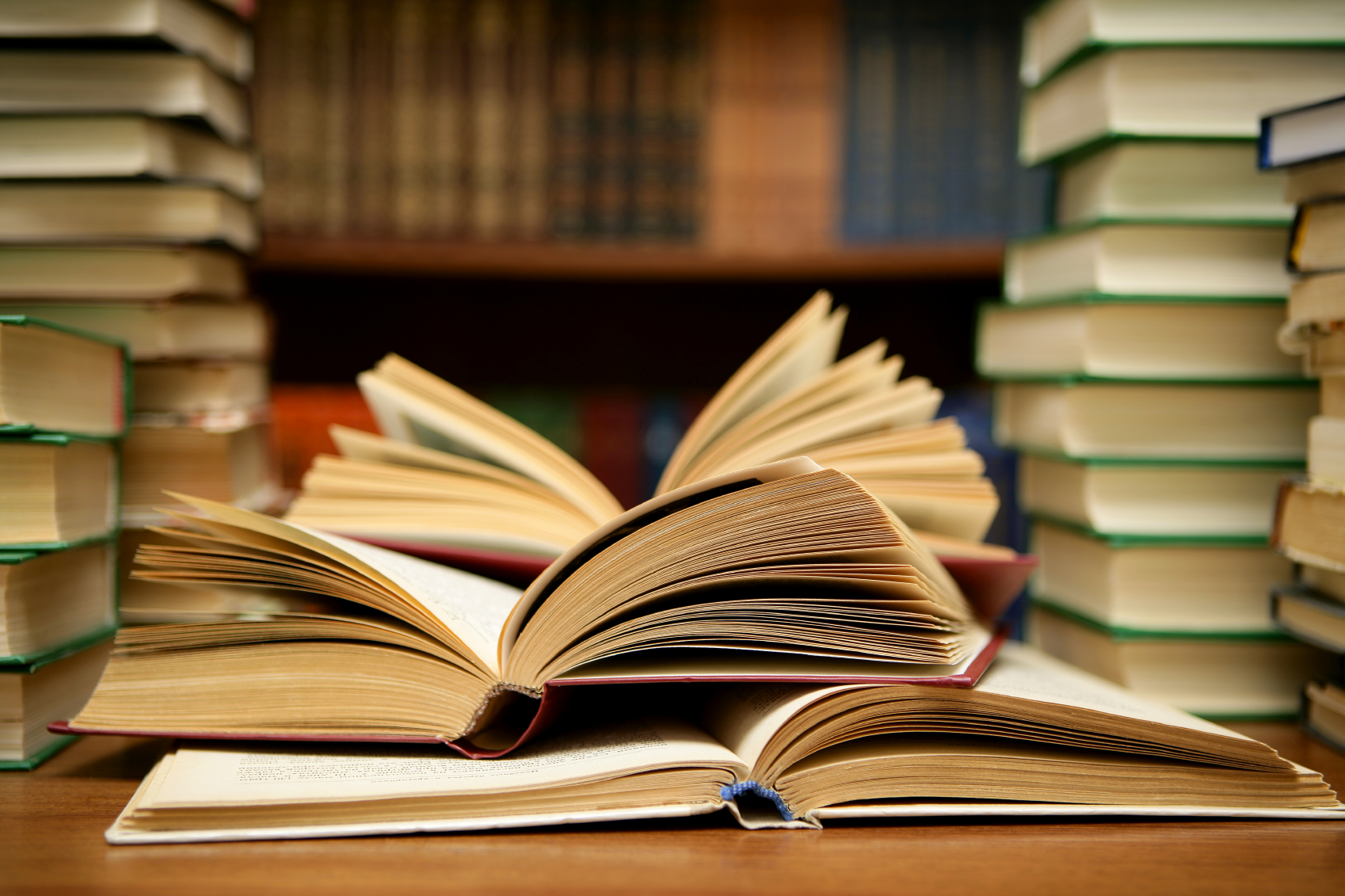
And so I have been reading, reading, reading: many kinds of books this winter, some classics, some trash.
Here is a stack of the literary books I’m reading or have been reading.
 !. Yes, I’m about to finish Mrs. Oliphant’s Miss Marjoribanks, which is a very, very amusing satire of small-town life in Carlingford, Mrs. Oliphant’s famous fictious town. When Miss Lucilla Marjoribanks, a doctor’s daughter, comes home from school and a trip abroad, she says she wants to make Papa’s life comfortable. Instead, this powerful young woman rules society with her “Thursday evenings,” interferes in friends’ lives, usually for the good, and creatively achieves what is almost, not quite, equality to a man in a misogynistic society. I love Lucilla dearly, and she’s a predecessor of Lucia (E. F. Benson’s books), though not as hyperbolically drawn. If Benson didn’t read Miss Marjoribanks, I’ll eat my hat.
2. Rebecca Mead’s My Life in Middlemarch. (AND I’M GIVING THIS AWAY, SO LEAVE A COMMENT IF YOU WANT IT.) New Yorker writer Mead celebrates her love of the book Middlemarch, which she’s read over and over since she first studied for her Oxford exam (or perhaps O-levels or A-levels: I gave up Mead’s book a month ago). I love Middlemarch, but honestly? 114 pages into My Life in Middlemarch, I find Mead’s prose disappointing and inelegant.
She worked as a young woman as a fact-checker for what she calls “a weekly magazine” (surely The New Yorker?). This is an example of her lifeless prose:
Often we would be there until late at night, long after senior editorial staff had gone home, and we’d order dinner on expenses from the Italian restaurant across the street and make jokes at the expense of certain writers we worked with. How lazy they were, we’d complain; how badly they wrote. In truth, I was learning a lot from doing this work: seeing how to build a story, discovering where to find a fact. But still, I was eager for my chance to show I could do it better.
Part of my problem? I have read two perfect books in this genre: Robert Dessaix’s Twilight of Love: Travels with Turgenev and Peter Stothard’s Alexandria: The Last Nights of Cleopatra.
I have to say, I’ve given this a fair shot–usually I give up a book I don’t like after only 25 pages.
3. Virginia Woolf’s Between the Acts. I read it, loved it, haven’t written about it here, though I will. It is a life-changing classic. Who are we? Actors or audience?
4. Constance Beresford-Howe’s The Book of Eve. I’m searching for North American lost women’s classics this winter (any recommendations?) and am very much looking forward to reading The Book of Eve, highly recommended by the blogger Buried in Print. The jacket says: “When Eva Carroll walks out on her husband, it is an unplanned, completely spontaneous gesture.” And apparently she finds happiness “on the wrong side of Montreal.”
5. Jill Robinson’s Bed/Time/Story. A popular novel from the ’70s, compared to Erica Jong, et al. Some of these women’s pop book are good, some are bad; it may hold up, it may not.
6. Nora Johnson’s The Two of Us. Nora Johnson, author of The World of Henry Orient, Uncharted Places (an intriguing mess of a novel), and a stunning memoir, Coast to Coast: A Family Romance, is always fascinating. The first 50 pages or so of The Two of Us, a novel about identical twins, are a bit trashy: Cassie, the twin who “married up” in Hollywood, enjoys shopping more than sex, and when her husband, who has affairs, says he wants to leave her, she ignores him. Her twin, Celia, a New York photographer who has freelanced and now works for a magazine, has lived in a tiny rent-controlled apartment since her vicious lawyer husband left her nothing in a divorce, and now is having an affair with a married man. I’m enjoying this: parts are highly intelligent, parts a bit trashy: The New York Times praised it, but so did Jackie Collins. Perhaps it was Johnson’s shot at pop fiction?
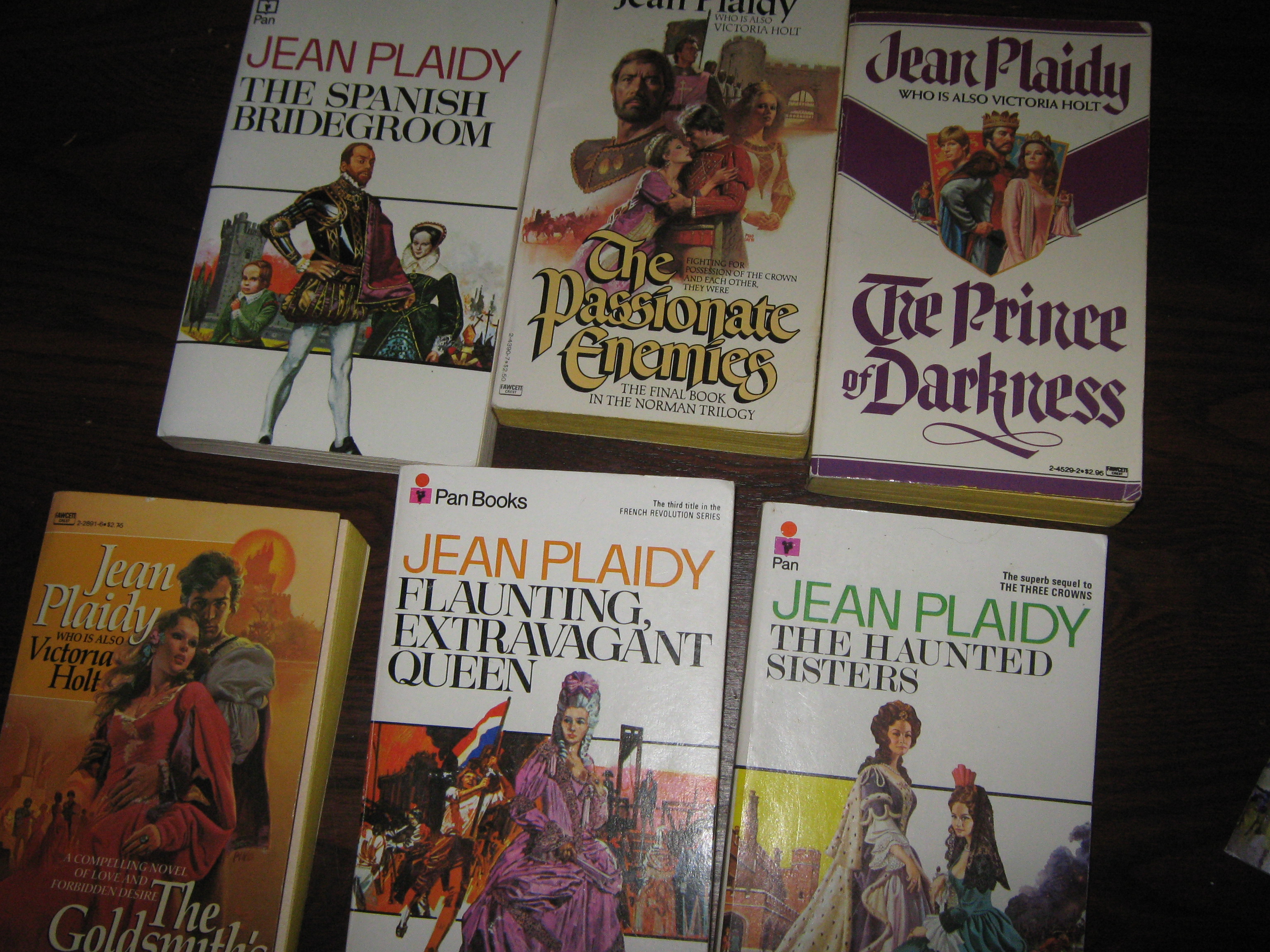
AND NOW FOR THE JEAN PLAIDY COLLECTION.
 Yes! We were at the library book sale and my husband found me copies of Jean Plaidy’s books.
“Is this one of your authors?” He looked at me askance. I am well-known for reading Plato, Katherine Anne Porter, and Jean Plaidy, and shelving them all together.
“I LO-O-O-O-VE JEAN PLAIDY,” I said to shock him.
And I do enjoy reading her historical novels late at night. I read myself to sleep with genre books. The writer Eleanor Hibbet wrote historical novels under the name Jean Plaidy, Gothic novels under the name Victoria Holt, and some other women’s fiction under the name Philippa Carr.
So aren’t you envious of these? Doesn’t this look like tremendous fun? I’ll probably get through one a year.

AND THE BIG GIVEAWAY!
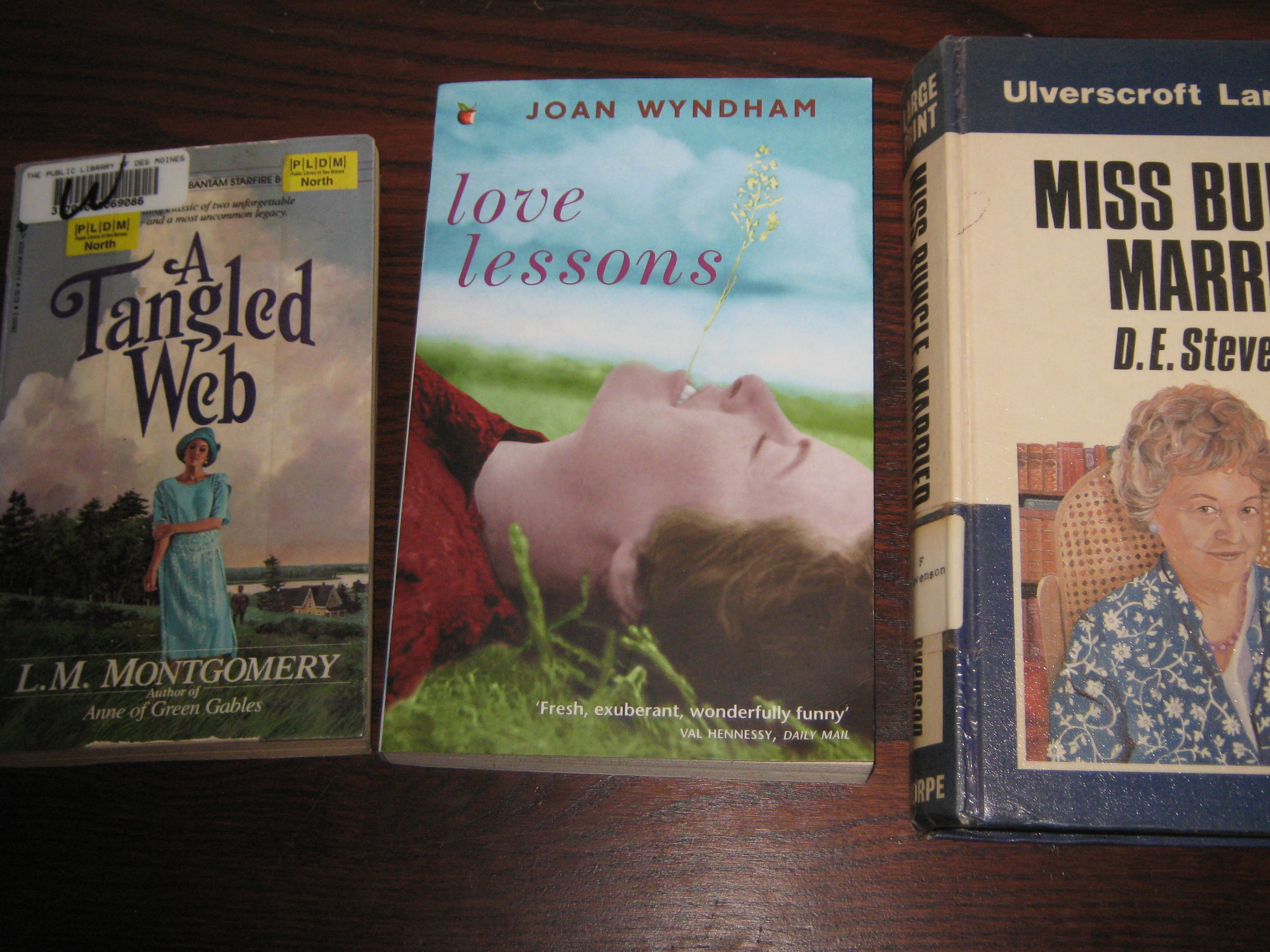
Would any of you like a copy of Rebecca Mead’s My Life in Middlemarch, Joan Wyndham’s Love Lessons: A Wartime Diary (Virago), D. E. Stevenson’s Miss Buncle Married, (a sequel to Miss Buncle’s Book) or L. M. Montgomery’s A Tangled Web (a romance by the author of Anne of Green Gables)? Leave a comment.
 Everything must go!





 mirabile dictu