
Conclusion of a series on blogging.
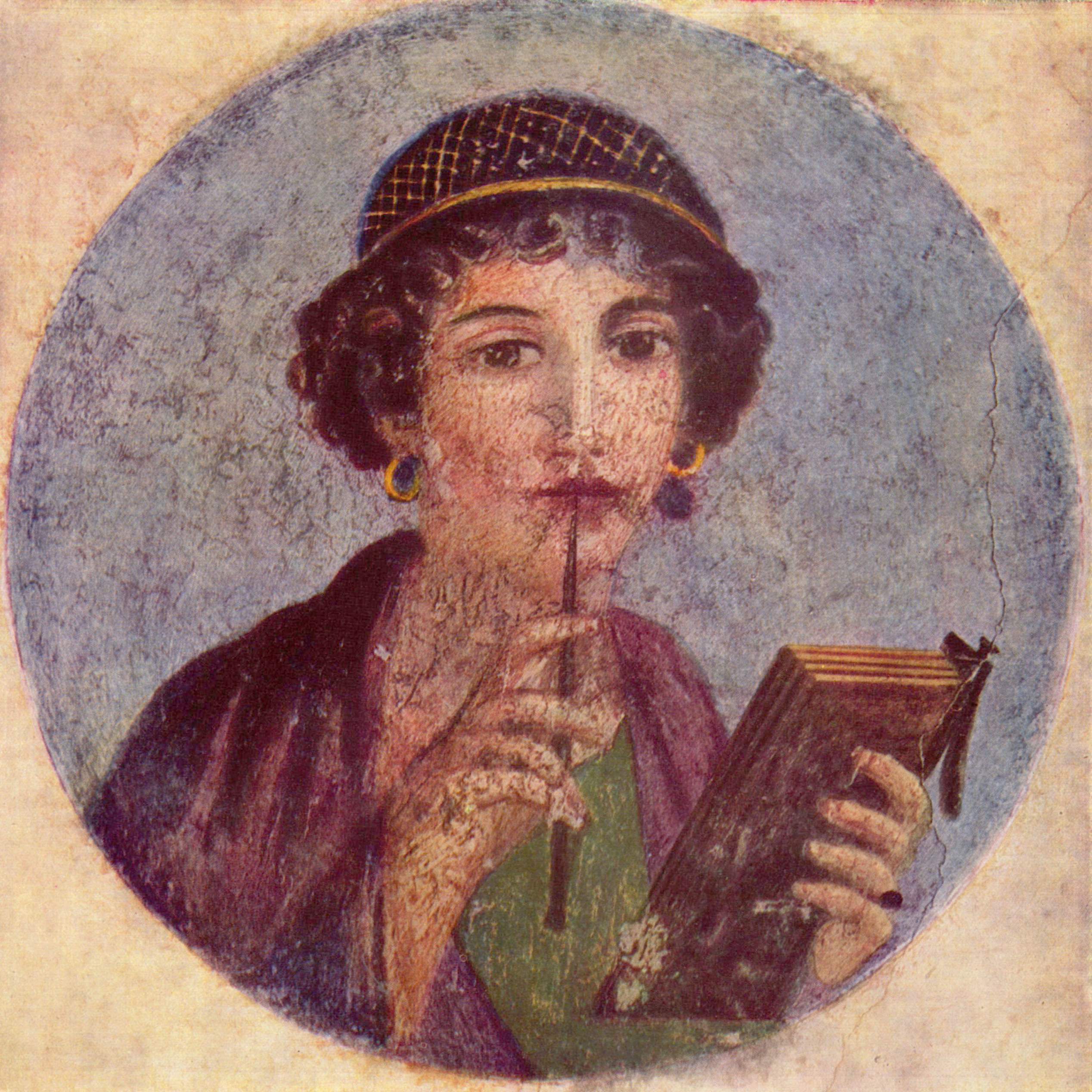 My husband is forbidding me screen time.
“This is taking you too long.”
Yes, indeed, it was. It was sundown by the time I took my walk on Monday after an 8-hour marathon putting together some of the pieces for my series of “featurettes” on blogging. I got a little faster/hastier as I went along, slapping quotes up on the screen and realizing that was enough for a blog. But it was tiring, my feature-writing skills were rusty, and, as my husband pointed out, “You aren’t getting paid.”
On the other hand, I learned an amazing amount about bloggers, writers, and critics from the questionnaires and interviews.
1. Bloggers mean no harm. Some write book journals, others write reviews. We are writing for ourselves, or, in most cases, a small audience. We try to write with integrity and are interested in reading other bloggers’ genuine opinions of books. None of the bloggers I interviewed courts publicists and publishers (only two receive books from publishers regularly). We are not interested in promoting books, or reading promotions of books determined by chance gifts from a publisher.
As Tony of Tony’s Book World said, “If a blogger likes everything, that’s not very helpful.”
And as Susan of Pages Turned said, “Anyway, at least I am totally over being used as a marketing tool…. I really wish everyone would just start writing about the books they really like so that we could all find the other bloggers who share our tastes, our sensibilities, instead of offering up yet another generic review on whatever’s being published this month because that’s what the marketers want.”
2. Critics have a different process. They polish their essays; they don’t post and run. Their work is important, because where would we be without the thoughtful writers who analyze books in major book review publications, even if we disagree with their judgment?
3. Novelists are not necessarily selling their books through blogs and Amazon reviews (as I had thought). D. J. Taylor, a novelist, biographer and critic, Sherry Jones, a historical fiction writer, and Jo-Ann Mapson, an author of women’s fiction, have all had mixed experiences with online reviews, finding some thoughtful, others vacuous. Some of Taylor’s online reviewers at Amazon UK expected Nazis to stomp through his counterfactual (or alternate) history, The Windsor Faction, though others understood his work; and, while Jones, the author of Four Sisters All Queens, appreciates what blogs have done for her books, she points out that most have only a few hundred followers, so it is “a drop in the proverbial bucket.”
As Mapson, author of Solomon’s Oak and Finding Casey, says, “Often I look at the 1 star reviews, click on what else they’ve reviewed, finding something unrelated such as vacuum cleaner bags. But every day one site or another sends me reading suggestions, and I often do buy the book.”
 mirabile dictu