President Obama Goes Shopping, Mad Shopping at Book Chains, & a Few Literary Links

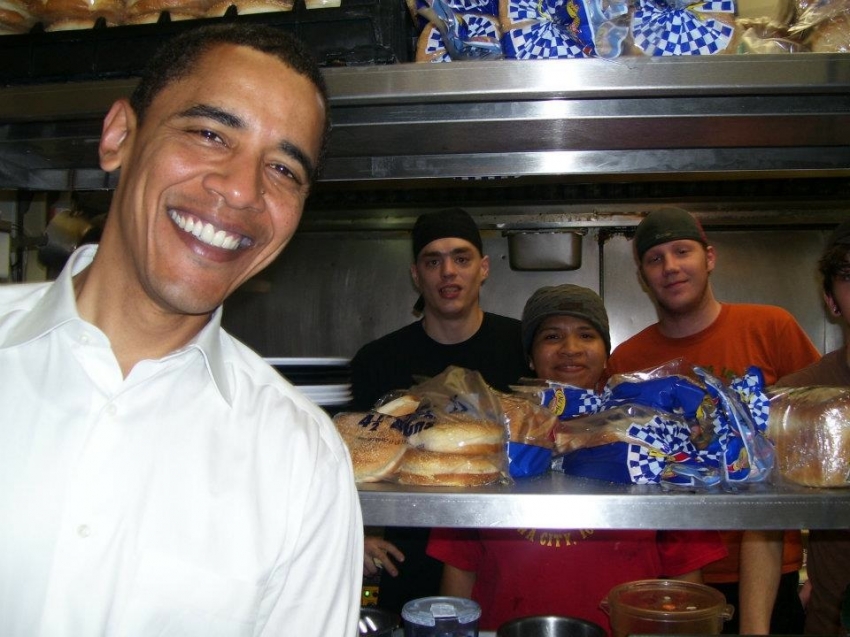
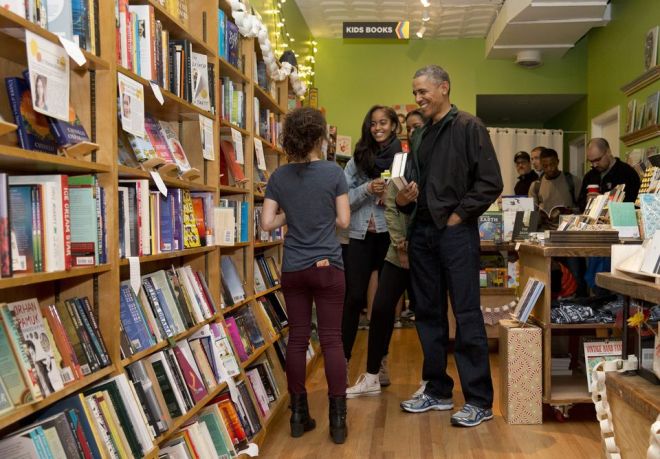
PrPresident Barack Obama and daughters Malia and Sasha shopped at Upshur Street Books on Small Business Saturday.

President Obama and his daughters at Upshur Street Books in Washington, D.C.

I love it when President Obama goes shopping on Small Business Saturday!  He always stops at a bookstore.   Today he and his daughters brought home the following from Upshur Street Books in Washington, D.C.

“Purity: A Novel” by Jonathan Franzen
“Two Years Eight Months and Twenty-Eight Nights: A Novel” by Salman Rushdie
“Elske: A Novel of the Kingdom” by Cynthia Voigt
“On Fortune’s Wheel” by Cynthia Voigt
“Jackaroo: A Novel of the Kingdom” by Cynthia Voigt
“A Snicker of Magic” by Natalie Lloyd
“Stargirl” by Jerry Spinelli
“Diary of a Wimpy Kid: Hard Luck, Book 8” by Jeff Kinney
“Dork Diaries 1: Tales from a Not-So-Fabulous Life” by Rachel Renée Russell

I don’t remember any other President going shopping for books every year.  He has his priorities straight.

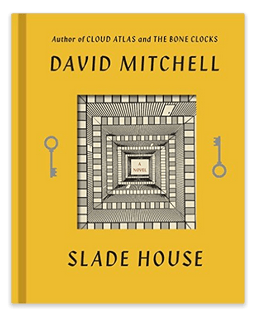
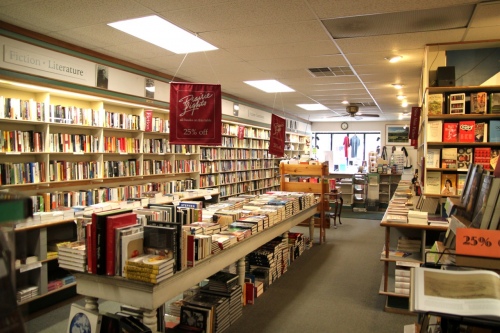
David Mitchell slade_house2. MAD SHOPPING AT B&N.  The only independent bookstore in town is about the size of a handkerchief, so we checked out Barnes and Noble instead.

What did we like?  There is a new bookcase of signed copies of popular books. David Mitchell’s Slade House is a little gem, and wouldn’t it be nice to have a signed copy of this lovely yellow square hardcover with the cutout window?

The store was crowded, and we hope it’s doing well, because every town needs a bookstore.

3. THERE ARE GREAT DEALS AT AMAZON: 30% off any book through Dec. 1, with a maximum of $10 off.  It’s a good way to shop for those of us who live in the wilds!

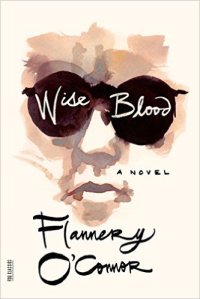
Wise Blood flannery o'connor 41PFiW2R1VL._SX331_BO1,204,203,200_4. I loved ISABELLA BIEDENHARN’S charming article,New Looks for Old Books:  Why Classics Are Getting Makeovers”(Entertainment Weekly).   She writes, “If familiar titles at the bookstore seem to be drawing the eye of your inner art lover more than usual lately, it’s not your imagination. Publishers are having a creative field day reissuing classic books with stunningly beautiful new covers—and lovely insides, too…”  One of the books pictured is this lovely new FSG edition of Flannery O’Connor’s Wise Blood.

5. ADULT COLORING BOOKS.  Francesca Wade at The Telegraph writes that this is the “hottest publishing trend.”   I haven’t had a coloring books since I was six and don’t feel the urge to color, but the books are lovely.

6. And, last but not least, “Christmas 2015: The 14 best translated fiction books,” at The Independent.

A Trip to Iowa City: Not Buying One Book!

Prairie Lights Books

  Prairie Lights Books

I am not an addicted consumer.

That’s what I thought.

But I do love bookstores.  Any bookstores.   Amazon, Abebooks, Alibris, Jackson Street Booksellers, Skoob, Prairie Lights, Waterstones, The Haunted Bookshop, The Bookworm, The London Review Bookshop, Oxfam, Barnes & Noble, The Strand…

But since my book binge in London, whence I carried 15 paperbacks in a suitcase I could barely wheel across the airport and mailed a box of books home, I have decided to cut back on buying books for a while.

It has been three weeks since I bought a book.

At first I felt flat.  Now, honestly, I think I am becoming delirious.  E-books don’t count as books, do they? They are so cheap…  and they’re not physical objects!

No, no, no!  I think e-books are books…sort of!

Today we went to Iowa City, and we did not go to any bookstores.  It is a bit odd not to go to a bookstore in a UNESCO City of Literature.

There are, however, many other things to do.

We went to Hickory Hill Park, a beautiful wooded park  on the north side of town.  We THOUGHT we were near the big open field near the cemetery where my mother is buried.  But the park has acquired more acres since we lived here, so we took a wrong turn and got lost.  We found a map in a kiosk by the parking lot–later!

Hickory Hill Park

                               Hickory Hill Park

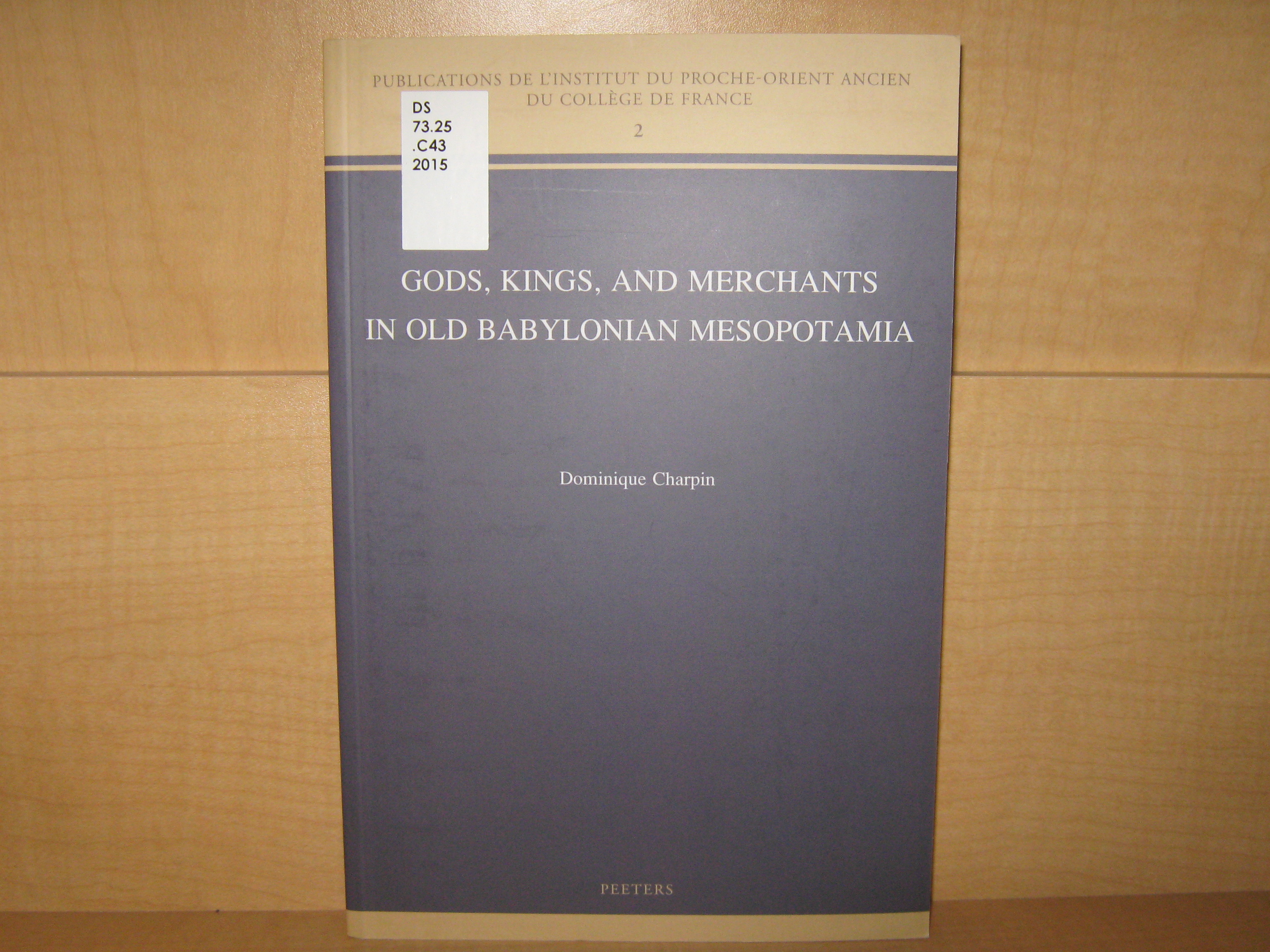
Then, because we felt like sitting and reading, we went to the University of Iowa Library. Here is a book all will want to read, Gods, Kings and Merchants in Old Babylonian Mespotamia.

IMG_3490No, I don’t actually want to read it! I’m joshing.   But someone will.  It’s on display.

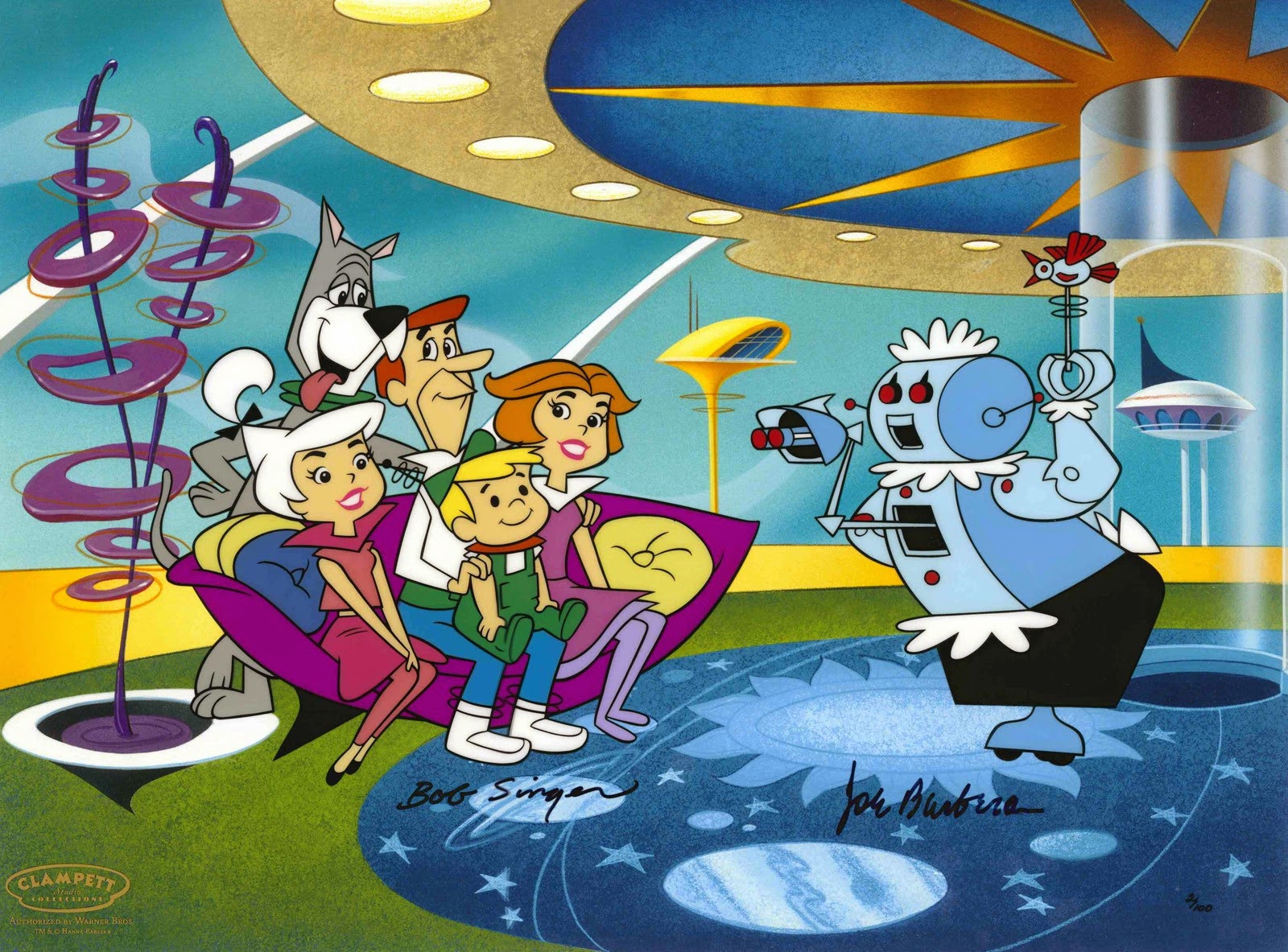
The first floor of the library is a space-age looking area broken up by colored cube-shaped study rooms, soft couches and comfortable chairs, and a cafe with a large-screen TV.  It looks a little like the Jetsons’s futuristic house, sans robot, in the 1960s cartoon show, The Jetsons.

The library looks a littlle like the Jetsons's home, sans robot.

The Jetsons!

We, of course, prefer the floors of the library that actually house books.

I spent an hour reading  journals.  I was mesmerized by a bound volume of the 1960 issues of Analog:  Science Fiction and Fact.  Established in 1930, this  magazine publishes science fiction based on real science and articles on science. I very much enjoyed reading a rather poorly-written novelette by a no-name author (sorry!  I didn’t have even a pencil to take notes with!) about a man with telepathy on a mission to prevent witch-burnings.   It seemed very appropriate for Halloween.

Then there is Classical Journal.  You can never  fall behind in the field of classics, because it is always the same ancient Greek and Latin literature,  but it’s fun to catch up on scholarly journals. It’s not always fun, though. And so I perused a tedious article comparing Cicero’s Pro Archia to Pro Balbo.  SNORE…. Then I read a review of what sounded a really unnecessary abridgement of Herodotus.  Then, in the June 30, 2014, issue, I found a brilliant analysis of  one of Propertius’s elegies, in the article, “MARRIAGE CONTRACTS, FIDES AND GENDER ROLES IN PROPERTIUS 3.20″ by MELANIE RACETTE-CAMPBELL.

If you’re interested, here’s a sentence from the abstract (which I found online):

Propertius 3.20 uses the language of fidelity and contracts that was traditionally associated with solemn legal ceremonies and agreements in his depiction of a socially illegitimate relationship between a lover and his mistress.

SEE, YOU WOULD ENJOY IT , TOO!

And then afterwards we dined.   There’s The Brown Bottle (Italian), Pagliai’s (the thin-crust pizza I grew up on), and the Hamburg Inn (burgers and breakfast:  every  Presidential candidate goes there!).  These are places we ate at with my mother.  And the pedestrian downtown is now mostly a restaurant-bar area, with lots of ethnic food, burgers and chicken wings, something for everybody.  (But the French restaurant did go under.  Too bad!)

President Obama at the Hamburg Inn

President Obama at the Hamburg Inn

If the Hamburg Inn is good enough for the President….

Anyway, can you believe I didn’t buy one book?

My Inner Jane Eyre: The Box of Books from London

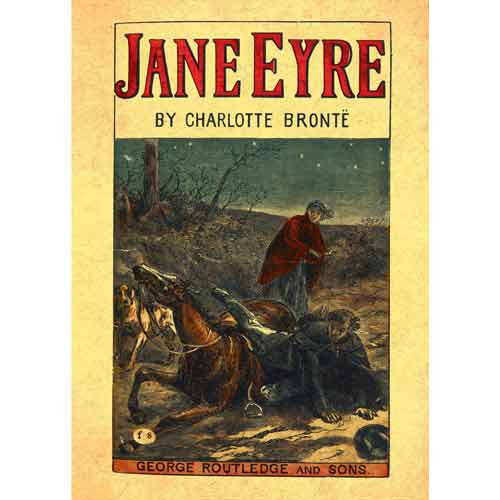
Jane Eyre card British library L_ISBN_5052849613496The bookstores in London are incredible.  I spent hours browsing at Skoob, Waterstones, Oxfam, London Review Bookshop, Foyles, Henry Pordes, Persephone, and some tiny shops whose names I didn’t notice.  The very tiny shops (but none mentioned here) will gouge you with high prices.

I mailed a box of books to myself.  I’ve been watching like a hawk for that box.

It arrived.  It took a while to rip it open.  Talk about tape!  The cats watched with interest.

But what pleased me most?  A  Jane Eyre greeting card from the British Library, a facsimile of the cover of the 1889 edition published by George Routledge and Sons.

And I realize from a Jane Eyre point of view that a collection of cards might be better mementos than books.

I feel smug about my books, though.  Honestly, I’ve never bought so many books at once.  What a great collection! I don’t need any more books for a while.  Do you see why I’m in Book-Buying Rehab????

IMG_3423

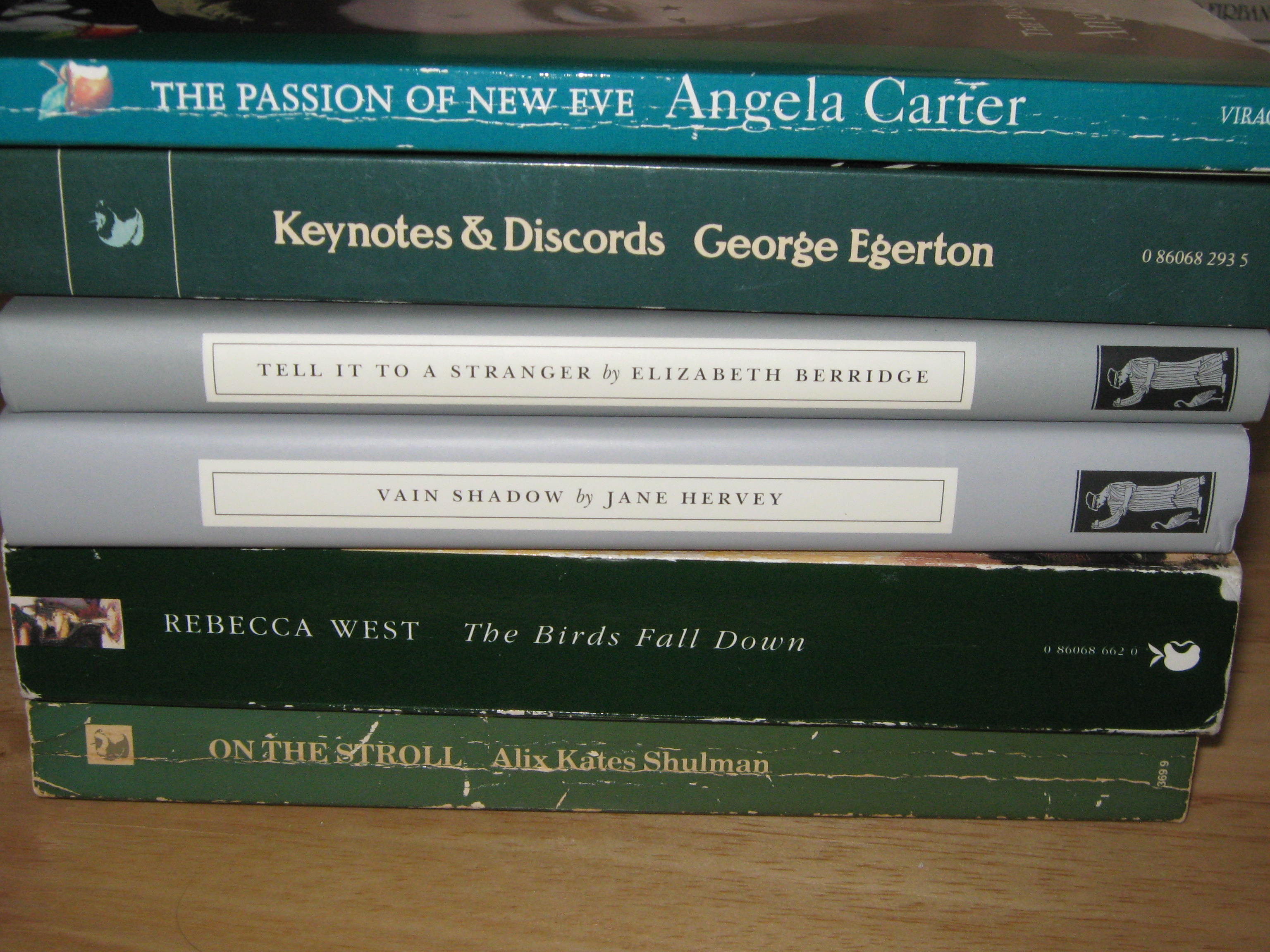
I found some Viragos and Persephones, as you see in the closeup shot below.

IMG_3425 Note that I had to go to London to find On the Stroll by the American writer, Alix Kates Shulman, author of Diary of an Ex-Prom Queen.  I had ever heard of it.

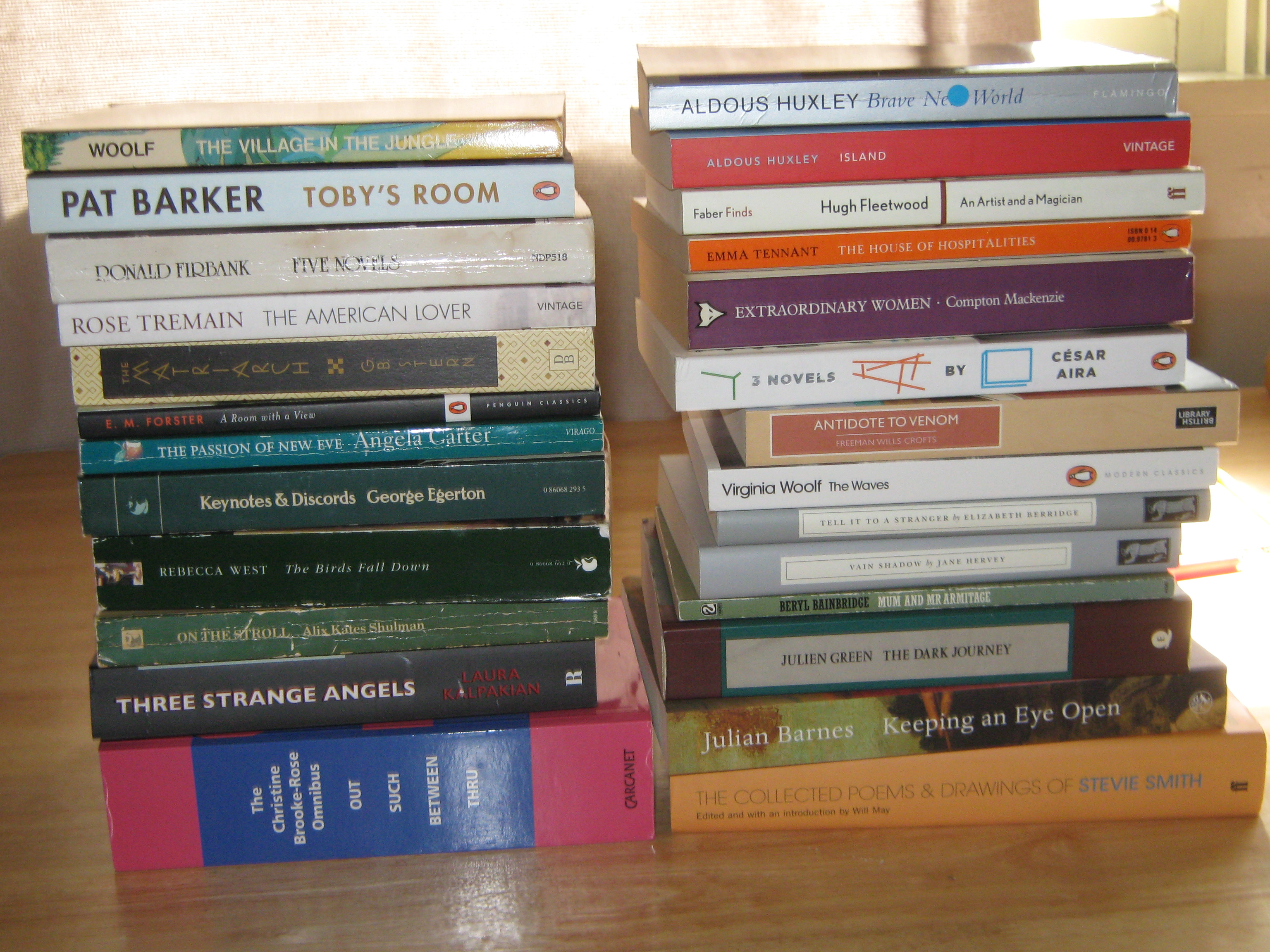
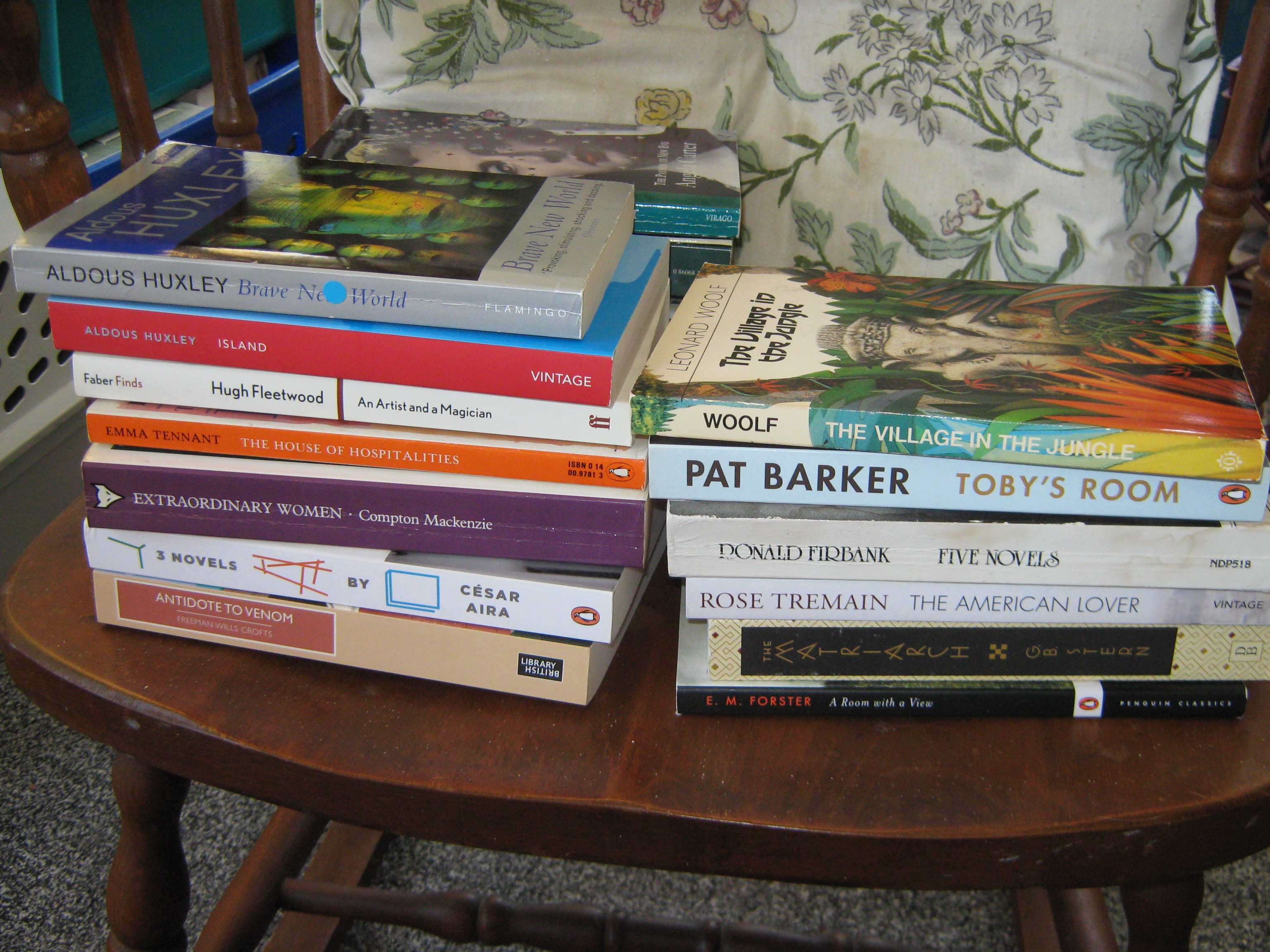
Below are two other stacks, arranged on the cats’ rocking chair.

IMG_3428These are not organized by publisher, so I’ll call them Used and New.

Used Books:

Aldous Huxley’s Brave New World and Island

Hugh Fleetwood’s An Artist and a Magician

Emma Tennant’s The House of Hospitalities

Compton Mackenzie’s Extraordinary Women

Leonard Woolf’s The Village and the Jungle

Pat Barker’s Toby’s Room

Ronald Firbank’s Five Novels

And a replacement copy of Forster’s A Room with a View which I’d lost on the plane

New Books

3 Novels by Cesar Aira

G. B. Stern’s The Matriarch

Antidote to Venom by Freeman Wills Crofts

And now for the final picture.  Only two in this stack are used:  Beryl Bainbridge’s Mum and Mr. Armitage and Julien Green’s The Dark Journey.  The Collected Poems & Drawings of Stevie Smith is  a stunning book, but I realized after lugging it around London that hardcovers are too heavy for traveling.  The same goes for The Christine Brooke-Rose Omnibus, an enormous paperback I’ve been looking for for ages and of course had to buy!  Julian Barnes’s paperback, Keeping an Eye on Art, is exquisite.  It is now available in the U.S.!  Right after I bought it in the UK, of course.  Oh well, I love all these books, and no regrets!

IMG_3430Now off to hide some of these from my husband.  And  I have to do six months of book rehab before I allow myself to buy a new book!

Why Is It So Hot? Books vs. Lawn Ornaments in Omaha

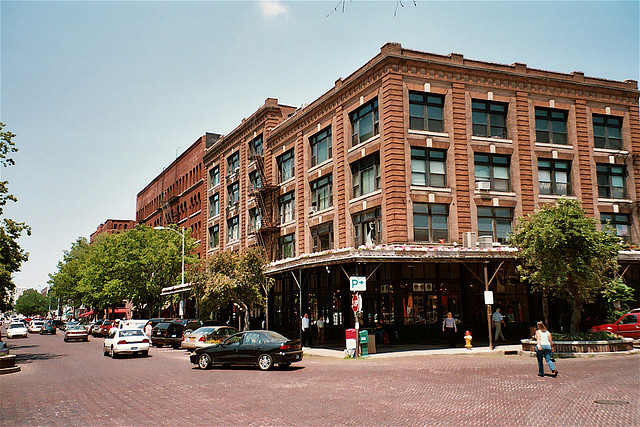
Old Market District, Omaha, in summer.

                                             Old Market District, Omaha

Omaha is a  hip Midwestern city (by our standards), with a splendid art museum and trendy shopping in the Old Market District.

It was, however, 91 today.

“It feels like 100,” I said.  It really did in the sun.

My husband says he doesn’t feel the heat till it’s 95. “It might be 92.”

The warehouses in the Old Market District in Omaha are now shops, restaurants, and lofts. You can browse at antique stores, glass stores, art galleries, and junk shops.  We drink coffee or iced tea on “dog-friendly” terraces:  a small bulldog had stepped out of Colette; surely it was Fossette from The Vagabond!.

But the question was whether to shop at a bookstore or an iron lawn ornament store.

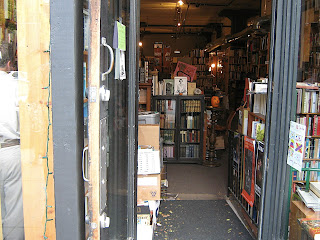
We love to pop in at Jackson Street Booksellers, one of the best used bookstores in the U.S.

My husband says I buy too many books.  And the shelves at home do seem to be full.  Time to donate to the Planned Parenthood Book Sale again.

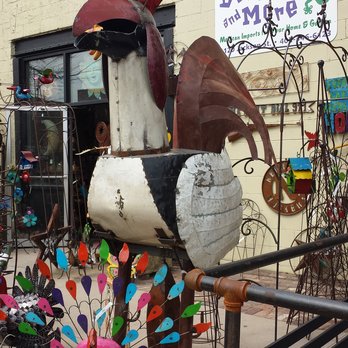
Iron Decor and More, Omaha

Iron Decor and More, Omaha

“You want to go to the lawn ornament store?” I have a hankering for a tacky ornament for the backyard.  They have an iron cow on a bicycle and colorful cats with springy necks.  I must admit the chicken in the picture at right is too much.

‘NO!!!!”

So we went to Jackson Street Booksellers.

Jackson Street Booksellers interior

Jackson Street Booksellers

You know the kind of bookstore. It’s huge, and they recently expanded, and they need to expand again.  The shelves are so tall you can’t possibly see what’s on top. The store is deep and dark, with occasional spotlights.  There are also piles of books on the floor.  You can’t find the Wyndham Lewis books unless you move a tall stack of books.  (Too much trouble.)  The owner and employees sit up front and read the paper.  They don’t chat to us.  My husband thinks it’s because we’re from out of town.  I explain that the staff at used bookstores never talk to customers.

J.C. at the TLS has confirmed this.  He said of Skoob in Bloomsbury:

Here are the overflowing shelves, the arcane subject headings, the musty smell, the foreign languages on the floor, the grumpy staff…

Very like Jackson Street Booksellers..

It is crammed with literature, genre books, Americana, biographies, memoirs, art books, history, theater books, women’s books, foreign language, politics, travel, vintage books, and several shelves devoted to the coveted Folio Society editions and Heritage Press editions (books that come in a box!).

And then we went to The Bookworm, an indie bookstore in the suburbs.

Did I buy books?

IMG_3288Yes!

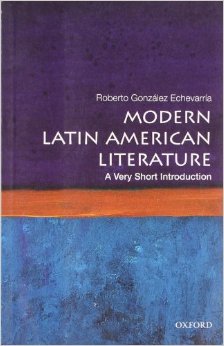
At The Bookworm:  Modern Latin American Literature: A Very Short Introduction (Oxford).  This beautifully designed book is one of a very clever “A Short Introduction” series of tiny paperbacks.  I almost bought one on Nothing.  (“Cheeky Brits,” said my husband.  Sorry, Brits!!)

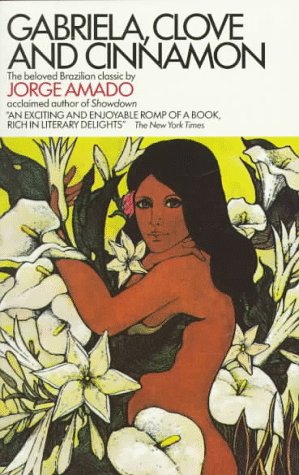
Modern Latin American Literature- A Very Short Introduction 51sKoOlFsVL._SY344_BO1,204,203,200_At Jackson Street Booksellers:  Jorge Amado’s Gabriela, Clove and Cinnamon (a Brazilian classic).

Jorge Amado gabriela 51D10CF6CSLKay Boyle’s Three Short Novels:  The Crazy Hunter, The Bridegroom’s Body, and Decision.  (Boyle is an excellent American writer, and I was introduced to her books  by Virago.)

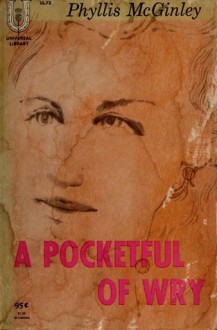
Kay Boyle Three_Short_NovelsPhyllis McGinley’s A Pocketful of Wry.  This remarkable poet won the Pulitzer for her light verse.  I posted her “Ode to the End of Summer” here.

Phyllis McGinley A Pocketful of Wry 152d32243f93b68a33c74f2e4b49c4543 More Novels by Ronald Firbank:  Caprice, Vainglory, and Illuminations  (I may have read these long ago, but my Firbank is missing!.)

3 More Novels Firbank 51xUbgGKjzL._SX323_BO1,204,203,200_Robert Grave’s Good-Bye to All That (I love his historical fiction, but not his autobiography)

IMG_3278(My cat is considering what to read next.)

What’s Wrong with New Books & Books We’d Like to See in Print

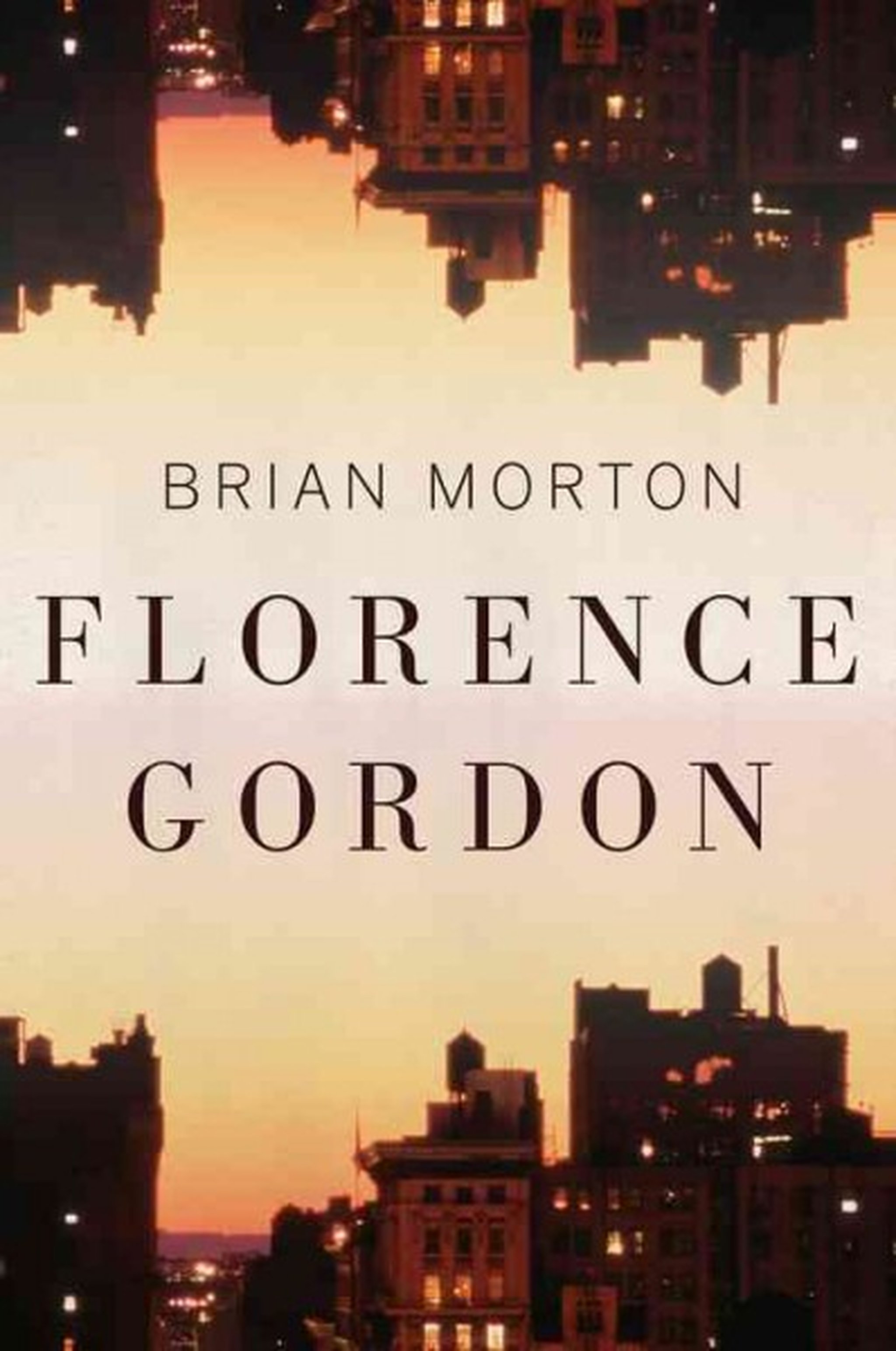
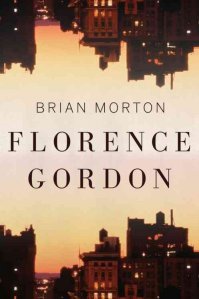
Biran Morton's Florence Gordon 9780544309869_custom-a7883da3ea029954586e04a85f3180c5665f5f17-s99-c85Recently I read Brian Morton’s entertaining new novel, Florence Gordon.

This gracefully-written novel begins well, but it quickly morphs from the point of view of Florence, a  cranky 75-year-old feminist intellectual, into a multi-generational multiple-POV soap opera about a family beset by the problems of long-distance romance and infidelity.

It’s awfully demure, considering the brilliance of this writer.

All right, it is a good read.  Many of you will enjoy this.

It is certainly a stand-out among the many unimpressive new books I read in September.  It even made me cry.

And yet I thought it could be better.

Some of the chapters are very short, less than one page.  I didn’t admire that trendy brevity.

And the characters are flat.  Florence’s son, Daniel, a cop, is likable but boringly stoic, and Janine, his skittish psychologist wife, wants to have sex with her boss, and that’s pretty much her raison d’être  (But can she type?)   Only their daughter, Emily, a thoughtful girl who learns how to take care of herserlf from Florence’s example of belligerent selfishness, seems worthy of her brilliant grandmother.

I wondered briefly if the editor dumbed down the book.

A few years ago, Margaret Drabble told the Telegraph she worried about dumbing down.  “I have had a weird feeling that I’m being dumbed down by my publishers and it’s interesting there’s an agenda of how it should be in the marketplace.”

I don’t worry about Margaret Drabble’s being dumbed down:  she changed publishers.

Are the problems with new books due to mediocre writing, or bad editing?

Those of us who aren’t in the publishing industry have no idea.

Does the publishing industry know what readers want?  I don’t think so.  Perhaps we’re tracking down old books on the net or turning to reprint presses because we’re looking for something different.

Below is a short list of worthy out-of-print books I’d like to see reissued. I’m not saying these are classics.  They’re certainly not better than Brian Morton’s book. But they’re pretty good books.
Dear Beast hale mUTvjMztFkfn7v-gZI9ypBg1.  Nancy Hale’s Dear Beast. Set in the South and New York, this lively comedy is the story of Abby Daniel, an unhappy housewife who writes a novel about life in a small town like Starkeyville, Virginia, where she lives unhappily with her bitter husband, an over-educated bookseller.

When her anonymous book becomes a best-seller and a Life photographer comes to shoot photos of Starkeyville, Abby cannot resist admitting she wrote the book.  But no one in Starkeyville acknowledges to Abby that they read the article in Life.  So she moves to New York…

Nancy Hale, the first woman reporter for The New York Times and a frequent contributor of short stories and autobiographical pieces to r, had illustrious ancestors. She was the daughter of two painters, Philip L. Hale and Lilian Westcott Hale, the granddaughter of Edward Everett Hale, author of The Man Without a Country, the great-niece of Harriet Beecher Stowe (Uncle Tom’s Cabin) and Lucretia Peabody Hale (The Peterkin Papers), and a descendant of Nathan Hale.

2.  Gladys Taber’s Stillmeadow books and Mrs. Daffodil.
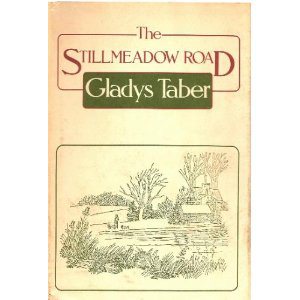
stillmeadow-roadThe Stillmeadow books are collections of columns and essays about Gladys Taber’s life in a 1690 farmhouse in Connecticut.These slight, charming essays are not in the same league as Wendell Berry’s or Annie Dillard’s, but they are plain, restful observations of the country that will delight those of us who understand there is no such thing as a quiet life in the country. Move to the country and you will appreciate nature, but it will not prevent the well from drying up, the septic tank from leaking, or the dishwasher’s breaking. Taber balances her lyrical vignettes about the changing seasons with wry descriptions of skunks living under the storage house, and her forgetting where she buried the jar of homemade brandied peaches (a treatment that was supposed to improve their quality).

Taber (1899-1980), who graduated from Wellesley and earned a master’s at Lawrence, wrote 50 books and was a columnist for Ladies’ Home Journal and Family Circle. According to one online article, she and her husband bought Stillmeadow, a country house, in 1943 with another couple.

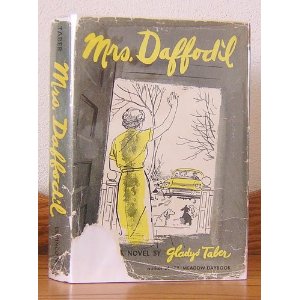
taber mrs-daffodilI also love her autobiographical novel Mrs. Daffodil.  Like Taber, the heroine, Mrs. Daffodil, writes a syndicated column called “Butternut Wisdom.” She also writes short stories about young love, because she has discovered people are more interested in love stories than they are in stories about ordinary older people like herself. And through this writing, she supports herself, her married daughter and graduate student husband, and her housemate, Kay, a widowed college friend who agreed to share the country house after her husband died.  This is a very, very funny book.  I wish someone would bring it back into print so I could afford it!

3. Cornelia Otis Skinner (1899-1979), an actress and writer, is perhaps best known for the book she co-wrote with Emily Kimbrough, Our Hearts Were Young and Gay, a hilarious memoir of their trip to Europe after college.
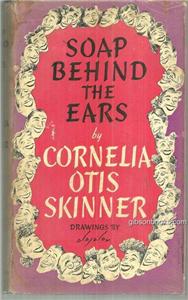
skinner soap behind the ears 674925900_tpSoap Behind the Ears is one of her best collections of humor pieces and parodies. I love her parody of For Whom the Bell Tolls, surely Hemngway’s worst novels.  In “The Defense of Long Island,”a piece vaguely reminiscent of E. M. Delafield’s The Provincial Lady in Wartime, patriotic American women worry about the defense of Long Island at the beginning of World War II. They go door-to-door with questionnaires, and, as Skinner tells us, “are frantically engaged in an activity they call doing ‘something about’ it.” In “A Bicycle Built for One,” she describes a disastrous experience on a bike with no brakes.  In “The American Quest for Tea,” she writes about the inability of American hotels to provide good tea.  And in “The Volga Tongue” she  writes about attempting to teach herself Russian by the popular “gramophone” method.

A fun book!
Falling Bodies sue kaufman4.  Sue Kaufman’s Falling Boies.  Kaufman is best known as the author of Diary of a Mad Housewife, an underrated American classic. Her 1974 novel, Falling Bodies, is a sad, mordantly funny novel about a woman whose family is falling apart.

Every chapter starts with a day and time of day, such as, “Monday 8:21 a.m.”   The heroine Emma has lost her mother to cancer, and she has been hospitalized for an FUO, a fever of unknown origin. In the hospital, she witnessed a suicide. A man jumped out of a window and his body fell past her room. Once home, she is terrified that she will see another falling body crash on the sidewalk.

Emma’s family problems are paralyzing, partly because she cannot go back to her social worker job until she has fully recovered from the illness. Since her hospitalization, her husband and son both seem to be having a nervous breakdown. Harold, the vp of a publishing company, has a terror of germs and contamination. And her son is bringing home mechanical parts he finds in trash cans.

Harold and Benjy think Emma is the one who has gone crazy. And she is upset: her mother-in-law has hired a maid from Colombia. And talk about crazy…

I really loved this book, My guess is that it’s more a women’s book–I can’t see my husband’s reading it–but it is a deftly-constructed, often funny story of what happens to a woman under a lot of stress.

Zero Spending

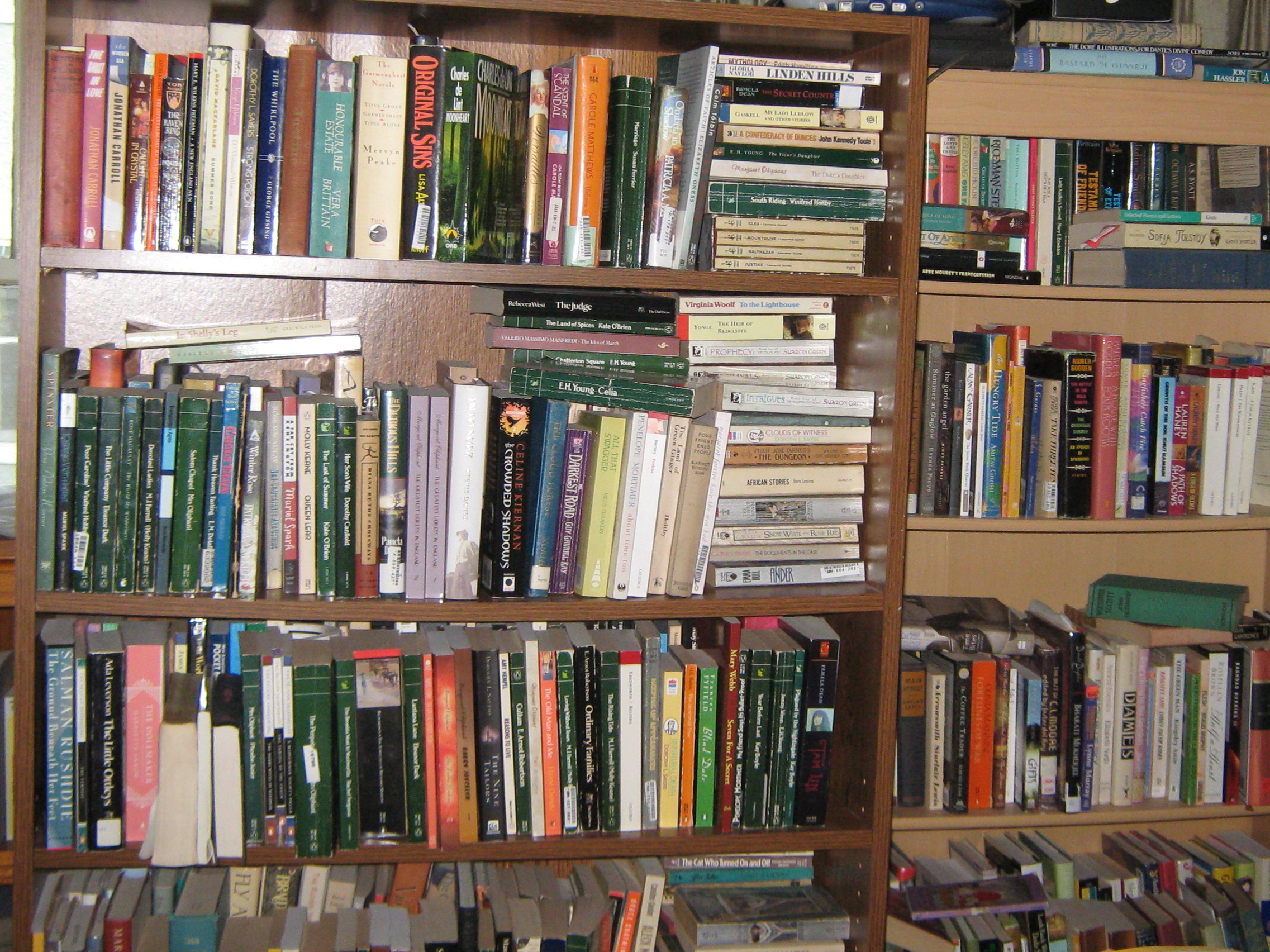
Bookshelves upon bookshelves when we had the painters in.

Overlapping & sagging laminate bookshelves.

Like Susan Hill, the author of Howards End Is on the Landing, I should spend a year reading only books I own.

I like the idea of zero spending.

Well, perhaps an iced coffee here, a paperback there.

Here’s the thing.

In London I got in the habit of using credit cards instead of money.  The relationship of the credit card to money is like the relationship of the e-book to the book.  What’s real and what’s not? Who knows? How many books did I buy?  I tucked my receipts in a folder and decided to calculate it later. Turns out I only spent $400 on books, including shipping.

High five!

But I have continued absent-mindedly to use my cards in the U.S.

I thought I had an instinctive feeling for low spending.

And then I got this month’s bills.  Between Amazon and Barnes and Noble…

If you have Amazon Prime, you know the temptation of shopping at Amazon.  Two-day free shipping.  When I absolutely must have Volume I of Karl Ove Knausgaard’s My Struggle, I order it from Amazon.

There is also the temptation of buying on the Nook.  There you are–you want to read Peyton Place when you have insomnia–so you click on Buy, and you have it.

All right.

I CAN’T spend so much money.

I have to turn off the money-spending thing.

I’m not getting rid of my cards.

There are other options.  I have read a surprising number of books in our huge home library (“Please let’s just open a bookstore,” my husband says), but there are hundreds I haven’t gotten around to.

Then there’s the public library if you’re not too fussy.  Ours is not the best,  but you can check out what I call a “library” read–one of the  latest books that won’t be the latest in six months.

Some people worry about privacy at libraries.  Records of internet searches, etc.  Now that we know about the NSA, who cares?  Well, we do care.   One librarian I know rudely tried to define a friend’s character by the books she checked out. “Mainly mysteries,”  she said scornfully.  (For all she knows, this person Is BUYING most of her books, like us.)

So let’s just say not all librarians have taken a vow of silence.

Some librarians are passionate about civil liberties, others will sell out their patrons.   I wish they were all like the small-town librarian in Alice Hoffman’s novel, The Ice Queen.

The Ames public library is excellent about protecting your privacy: for years they have put the books on reserve in envelopes.

It’s not that I check out anything outlandish.  Right now I have Jorge Amado’s Gabriela, Clove and Cinnamon, but what if that’s a controversial book?  South American, hm?  Could be, right?

One thing I like very much about my cousin the librarian is that she never reveals what the patrons are reading (except me:  she gets a kick out of posting on Facebook when I reread Villette.   “She is reading the V book again.”).

I plan to limit myself to buying only a book a week for the rest of the summer.

I’m avoiding book reviews and reading the trashy book news instead.

Yes, some of it really IS trashy.

Perhaps if I never read any book reviews or book news…

Ha!

The Future of Self-Publishing: I Double-Dare Ya!

woman on computerSelf-publishing on the internet is undermining publishing, the professional writers say.

Sometimes I think this is nonsense.  Sometimes I think there’s something in it.

In 2010, Garrison Keillor wrote a comical op/ed piece for the New York Times  speculating on the end of book-publishing. He believes that his own child, with her skimming, surfing, and writing on little screens, is hastening the death of publishing.

And that is the future of publishing: 18 million authors in America, each with an average of 14 readers, eight of whom are blood relatives. Average annual earnings: $1.75.

First, let me say I am a friend of the book. A very good friend of the book. I have spent my life reading books.  I also enjoy reading book reviews, book news, and book blogs.

But I recently took a week off from reading blogs, and was disconcerted when I returned to them.  I was dismayed by the poor quality of the writing at most. And I wondered if our bloggers’ mutual admiration society is a shadow world of the book review publishing world (almost certainly), or if it is a populist short cut to coaxing us to accept the second best (possibly).

Bring down the level of education (get people into business, not liberal arts), close down the publishers and newspapers, get everybody hooked on the internet (the giant conspiracy to interrupt our attention span by click-click-click), and people will stay inside and not interfere with the government clap-down on privacy.  There are no doubt grim days indoors ahead with the advent of climate change.

I am not completely sure that isn’t the plot.  Heavens, I read a lot of science fiction.  I read John Brunner’s Stand on Zanzibar only last year.

Naturally, I have to stand with the bloggers here, not with the traditional writers.  The newspapers are shutting down.  Some book review publications and many book bloggers are, more or less, holding the line.  Many know the difference between good and bad books.  Joan Chase’s During the Reign of the Queen of Persia?  A classic.  TaraShea Nesbit’s The Wives of Los Alamos?  Mediocre.  Now don’t get me wrong.  I write informally about books here.  I am not reviewing books. But book reviews, even in book review publications, can be scatty.  I’ve decided to read award-winning books and finalists again, because the judges are at least recommending books above a certain line (at least usually).

But shouldn’t I revamp my blog and write more about books?  No. It is a small one-person operation.The book pieces I write here, even though they’re informal, take time.

But it’s wearisome predicting the future of books, isn’t it?  I wonder if Garrison Keillor is as exhausted by it as I am.

Ms. Mirabile on The London Box & Do We Like Writers?

IMG_2895

The London box:  Dickens’ Mrs. Lirriper, Jane Bowles’ Everything Is Nice, a D. J. Taylor omnibus, Compton Mackenzie’s The Adventures of Sylvia Scarlett, and Mavis Cheek’s The Lovers of Pound Hill.

The London box arrived.

Yes, I FedExed a box of books to myself from London.

Another stack from the London box:  Platanov's The Foundation Pit, Mishima's The Temple of Dawn, Penelope Fitzgerald's The Means of Escape, Olaf Stapledon's Last and First Men, Dicken's The Pickwick Papers, Robert Graves' The Golden Fleece & L. P. Hartley's My Fellow Devils

More from the London box: Platonov’s The Foundation Pit, Mishima’s The Temple of Dawn, Penelope Fitzgerald’s The Means of Escape, Olaf Stapledon’s Last and First Men, Dicken’s The Pickwick Papers, Robert Graves’ The Golden Fleece & L. P. Hartley’s My Fellow Devils

I wasn’t home to sign for it, so I begged my husband to take me to the FedEx store to pick it up.

“Couldn’t we get it on our bikes?”

“It’s huge.”

And in my mind it really WAS huge.

When he saw it, he couldn’t stop laughing.  It was the size of a slightly oversized Amazon box.

“We could have biked.”

“But it weighs 9 pounds.”

All I know is it was a struggle to lug a laptop bag and a tote bag of books into the taxi.

It’s satisfying to receive a box of books.  My husband wants Platonov’s The Foundation Pit.  We both are fans of Russian literature.

It is ridiculous that I bought a copy of The Pickwick Papers at the Dickens Museum, when I could have found it at home.

It was something about being in the Dickens Museum.  I wanted books I had bought at the Dickens Museum.

I also bought a copy of Dickens’ Mrs. Lirriper, which I have never seen anywhere except at the Dickens Museum.

And below is a scene from Hereafter, one of my favorite movies, in which Matt Damon visits the Dickens Museum.  Unfortunately there’s no sound, but you can see the museum.

.

Although I’m patting myself on the back for traveling cheaply, I am also relieved that my husband understands why I bought my Dickens at the Dickens Museum.

He is disappointed I didn’t go to the Sherlock Holmes Museum.

It didn’t occur to me because I was burning out, but next time.

I will return to London after I’ve read all my London books.

And I have a couple of more boxes coming, because at the end I was madly paying money for the bookstores to ship books to me.

I spent almost nothing!  Everything I did except the Dickens Museum was free.

My husband looked askance at my food bills from Tesco Express and Waitrose.  Five pounds?  All I can say is, it was a great deal cheaper than eating out.  And everything cost at least five pounds, except coffee!

Free things to do in London?  There are so many.

DO WE LIKE WRITERS?

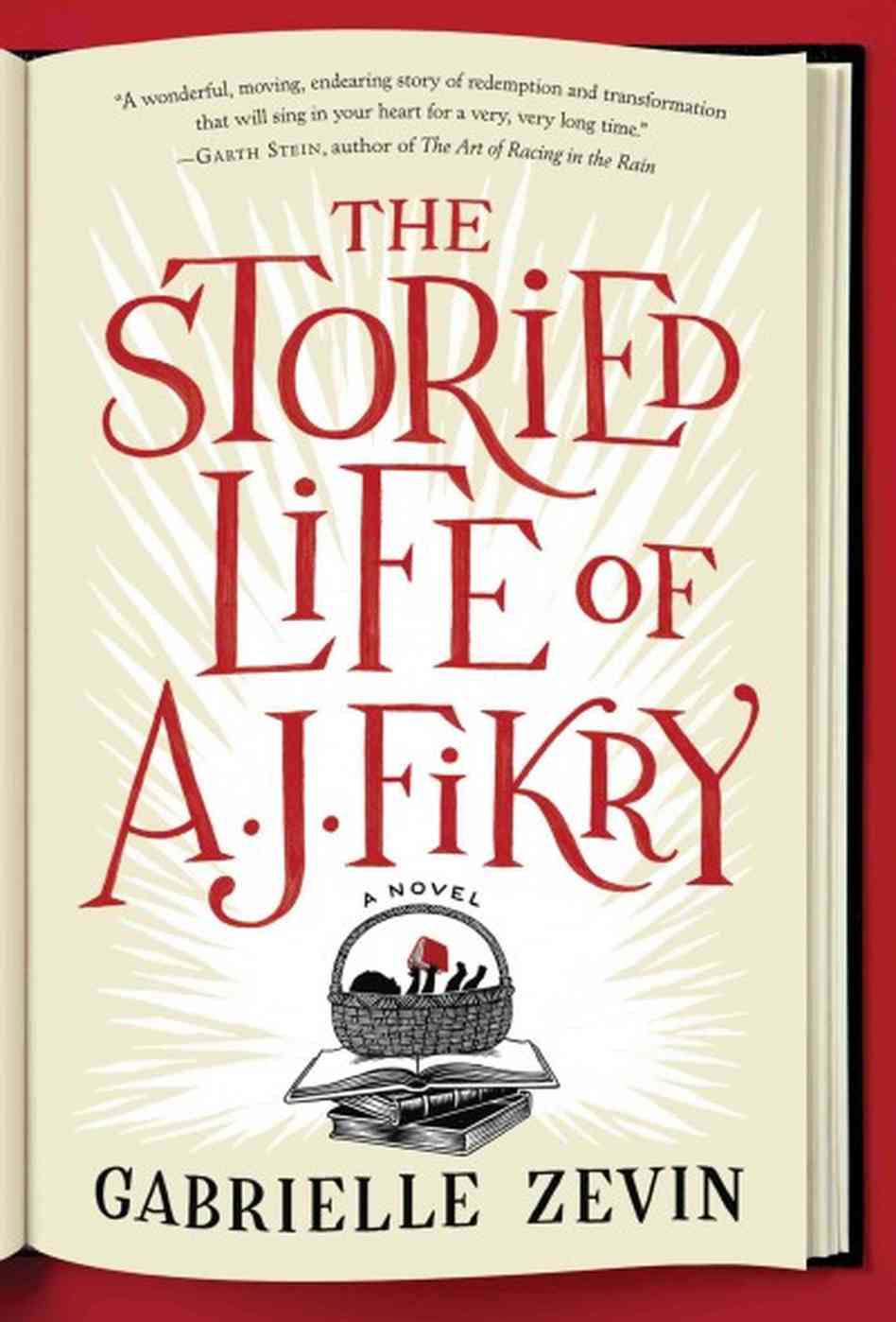
Storied Life of A. J. FikryI have just finished one of the most charming novels I’ve ever read, Gabrielle Zevins’ The Storied Life of A. J. Fikry. I couldn’t resist a novel about a bookseller, and it is very, very funny and smoothly written.

The main character, A. J., is a rather cranky bookstore owner.  He is lonely.  He is a widower.  He misses his wife.  He has poor social skills, so he doesn’t have a particularly strong customer base. It was his wife who did the PR and who sponsored the Vampire Ball.

Every chapter begins with a brief journal entry by A. J. about a short story, and he  loves short stories more than novels.

There are many things he doesn’t like, among them Y.A. vampire books.

He doesn’t like writers.

And the only writer event he hosts in the book is something of a bust from his point of view, but the customers love it.

A. J. says about writers:

Despite the fact that he loves books and owns a bookstore, A.J. does not particularly care for writers.  He finds them to be unkempt, narcissistic, silly, and generally unpleasant people.  He tries to avoid meeting the ones who’ve written books he loves for fear that they will ruin the books for him.

This made me burst out laughing, because I organized a series of readings for various bookstores and schools years ago.  (I was a fanatic about books, and did this pro bono.)  Most of the writers were very kind and charming, and some wanted to hang out with me.  (I was MUCH younger then, and I read their books.)  Very few people at these events have read the books.

There were a few difficult writers.  I won’t pretend there weren’t.  You want to stay away from prima donnas, if you know they’re prima donnas.  They are not better writers than the non-prima donnas, but they are picky about everything:  their flights, their food, their escorts, professors putting their arms around them (these particular professors put their arms around everyone, male or female), they want juice instead of water, they can’t eat anything at the restaurant, because they’re on a special diet of beef, and they make fun of the people at the reading.  Sometimes it really puts you off a writer.  In general, though, I found them to be very easy-going people.  Book touring is part of the job.  And they were getting paid an honorarium.

So overall, though I love books, I don’t need to meet writers, even if I would like to. I do wish I’d attended something at the Oxford Literary Festival, because their standards must be high (it’s Oxford!).

There are, however, a lot of readings in Iowa City, if I want to attend.  For instance, on Saturday Rachel Kushner, author of The Flamethrowers, will be in Iowa City for two events.  And she has been longlisted for the Bailey Women’s Prize.  I’m still jet-lagged, so I won’t be there.  But someone will be thrilled.

Usually attending readings makes me want to read more of the writers’ books.  It is very unusual for it to put me off.  If you don’t have to deal personally with the writers, it’s always a breeze.

But how do you feel about writers?  Do you like writers?  Do you want to meet them?  I’m sure some of you go to readings, and some do not.    Let us know your impressions!  What’s the best event you ever attended?

Wouldn’t you like to meet Dickens?

London with Coffee # 6 & a Literary Event

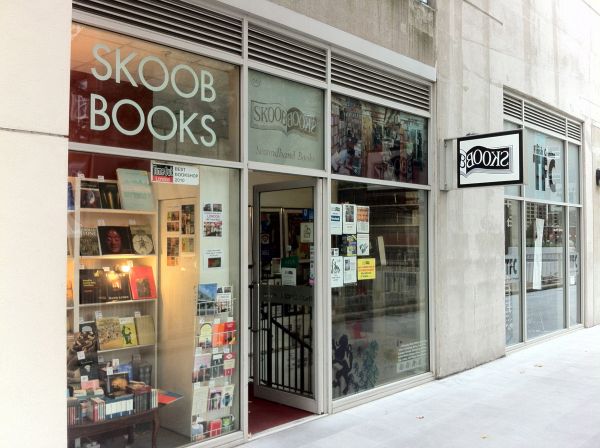
Skoob Books

Skoob Books

Another lovely sunny day in London.

I had only one thing booked today:  a reading at the Daunt Books Festival by three short story writers, A. L. Kennedy, Helen Simpson, and David Constantine, from their new books, and then a very short panel discussion on the short story with K. J. Orr.

I left the hotel in plenty of time.

But let’s have some coffee first.  God, I’d been drinking tea all morning and it did nothing for me.

Today:  coffee at Costa.  I spilled it on my sweater.  Goddamit!

But the coffee did energize me enough that I went to Skoob Books, the most wonderful used bookstore I’ve been to in England.  A fascinating collection, old Penguins, old crime Penguins, Oxford classics editions, Loeb editions, and some newish Viragos I’ve never seen by contemporary writers.

Then I went out and thought briefly of buying a hairbrush, because I have been in London without a hairbrush.

Then I realized I was only going to a literary event, so it hardly mattered whether my hair was brushed or not.

I do have a way of getting lost, and the English have all been very good about getting me oriented.  I wanted to get in a good walk today, so I walked to a station that was a little farther away from my hotel.  I got turned around, and when I finally got off the tube, though I was headed in the right direction, I was on the wrong side of Marleybone to see Marleybone High Street.  So I went too far, and when I saw Regent’s Park, a beautiful green space, I realized what had happened and crossly crossed the street.

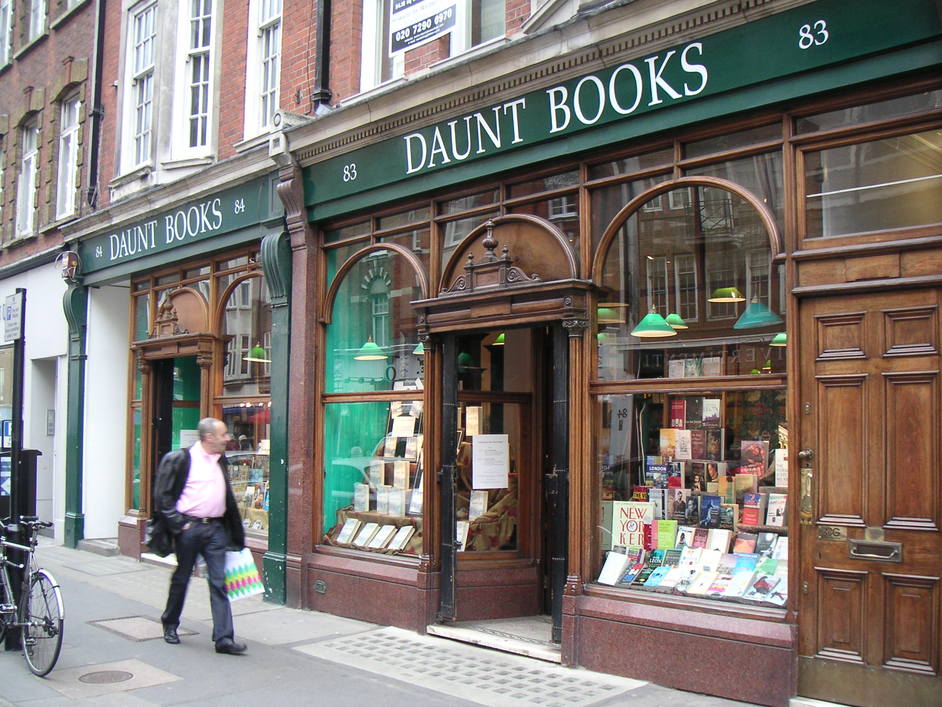
Daunt BooksI showed up at Daunt Books a little late.

I was there for the last 10 or 15 minutes of the event.

A. L. Kennedy was finishing her reading, and she was either too far from the microphone (did they have one?), or has a low voice, because I couldn’t hear.

She was reading a description of  a penis:  “Penis something something penis something.”

Everyone laughed, and I’m sure it was very funny, but I couldn’t hear.  I idly remembered something:  I just missed a book group discussion at home of Lady Chatterley’s Lover.  (The penis in Chatterley is called John Thomas.)

After Kennedy finished the reading, K. J. Orr conducted a short panel discussion about the short story.  Very short.

I liked Helen Simpson the most, because I could hear her.  She said she started the day reading a short story, and that it got her out of bed.

Kennedy, whom again I couldn’t hear, said something about not liking anecdotes in short stories.  A man goes into the bar with a dog means nothing to her.  And then I heard no more.

I didn’t hear a word David Constantine said.

Next time I’ll get there early and sit in the front.

I do wish the discussion had been longer.  No questions from the audience were allowed.  Now that’s ridiculous for 5 pounds, and the writers could have spent more time if they wanted me to buy books.  I have never been to an event before with four writers in 45 minutes, and since the next event wasn’t till five, surely they could have accepted a couple of questions.  Note:   In the U.S. book festivals are free, readings always last at least an hour, and the writers give and give of their time, with the exception of Nobel winners.   Toni Morrison, who has obviously had too much of a good thing, was charming in the ’80s and actually met with students after an event.  But the  last time I heard her, after she won the Nobel Prize, she finished on the dot and did not have a signing or meet with us patrons after the event.

And am I going to the Oxford Literary Festival? No, I’d love to hear Margaret Drabble,  but she’s talking about Jules Verne, not her own books.

The writers’ event at Daunt Books (which admittedly I hardly even made it to) was the only disappointment in my trip, but my critique cannot be a real critique, except for that of the discussion and the Q&A.

I’ve been very touristy–this has been my first tourist vacation in my life–because in American cities, it has always been more about entertainment for me.  But I am unlikely to have a chance to see this city again, so am trying to make the most of tourism!

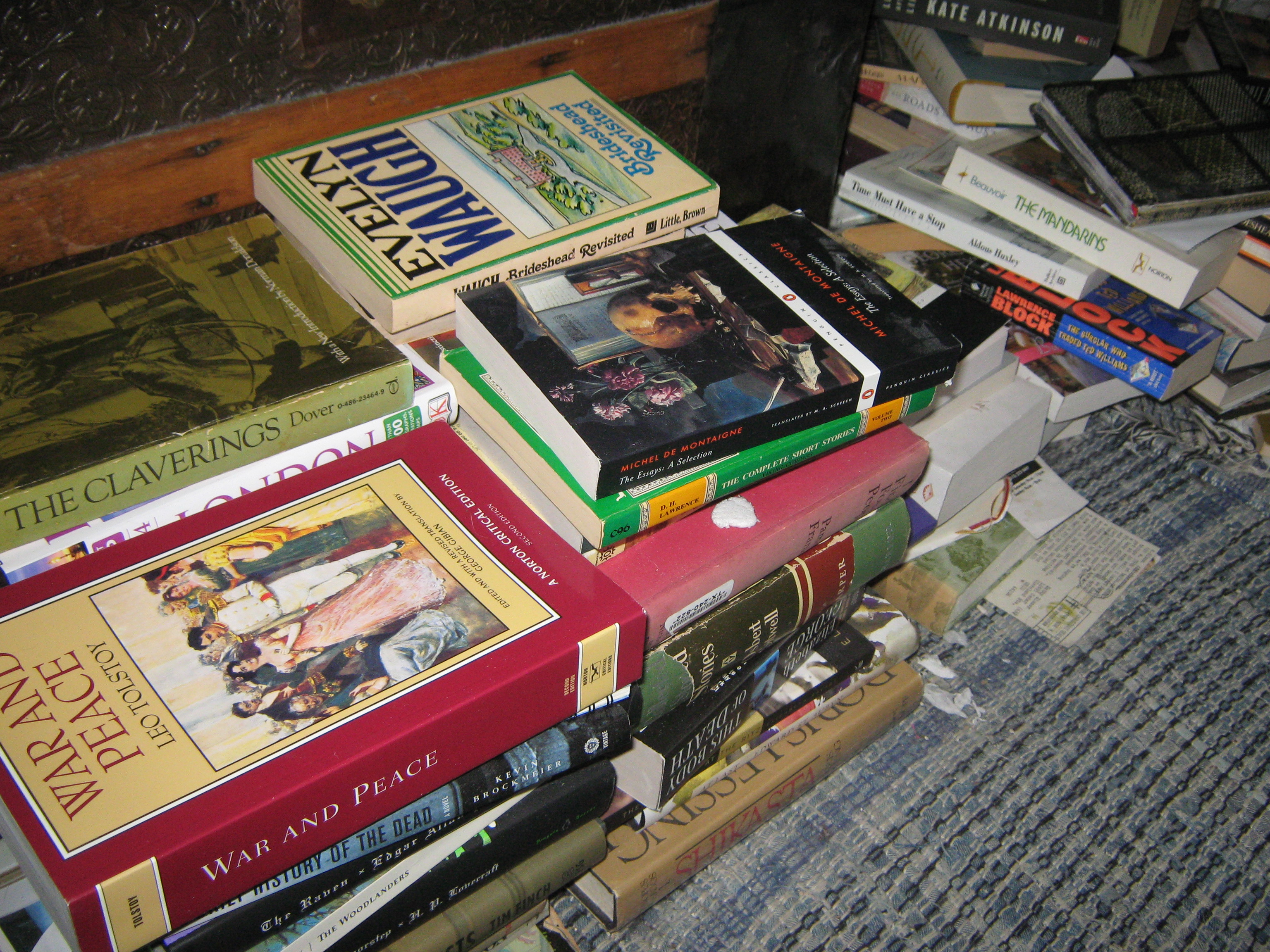
Second Copy

Pretend you didn't see this:  books on the bedroom floor.

Pretend you didn’t see this.

I am a bookworm-housewife who looks up once or twice a week from a book to dash around the house swiping everything with a dust rag and Murphy’s soap.

Occasionally my housewife friends, appalled by my Bean-cum-Target wardrobe and laissez faire attitude toward housework, have a chat with me.  If I would just color my hair, then blow-dry it, then never wear jeans again, then wear that cream… what do I mean I’m allergic to it?…then buy that special Swerf, or is it Smurf, duster, and vacuum every day, I would feel much better.

And what do I mean I can’t apply eyeliner?

And don’t I want to get rid of a few books?

You can see by the picture above that there is an overflow of books from the shelves on to the floor.

You don’t have to own every book you read, people say.

When we moved here I gave away 250 books to the library and sold 300 to Half Price Books.  We’ve filled our shelves again, and one thing  I’ve learned is that you end up buying new copies of everything you give away.

I had to buy a second copy of Ford Madox Ford’s Parade’s End, because I adore the hero Tietjens and  realized I wanted to spend more time with him.

Did I know that I’d want to reread The Collected Stories of Jean Stafford?  Hell, no.  I don’t much like her stories, but I wanted to reread “The Echo and the Nemesis” last summer after I read Lionel Shriver’s Big Brother, so I bought a second copy.

I can hardly tell you how I feel about losing my autographed copy of Ken Kesey’s One Flew Over the Cuckoo’s Nest. It must have been put in the giveaway box by mistake.  NOTHING CAN REPLACE THIS.

Today I read an essay by Michael Dirda in the TLS that reflects how we feel about our bookish house.

He writes,

My wife would claim that we actually do live in a second-hand bookshop, except that there isn’t a sign on the door and nobody ever comes to buy anything.

My husband and I laughed very hard about this.  (You have to subscribe to the TLS to read this essay, but who knows?  Maybe they’ll post it at their website someday.)

AM I A TERMAGANT?

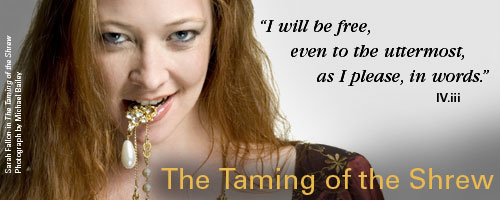
Taming of the shrewI’m not a termagant, am I? Or do I mean a harridan?  I’m not a harridan, am I?   I’m NOT.

Am I a termaharr?  A gantidan?

I am actually very, very nice.

My parents were very outspoken and sometimes funny.  And a nun once told me I was too honest.

Humor plus too much honesty means termagant-harridan misunderstandings?

Anyway, we’ll all throw up if  I’m too nice, right?    We’re not online to network, are we?  Or are we?  Did we know how to network when we were in a network?   Or didn’t we?  (I’m fooling around.  I am certainly not networking here.)

I love the classics and read mostly books by dead people.

This year I am trying to read more 21st-century books.

But, you know, most of the new books are mediocre.  I now reject anything not of obvious classic status (in its genre, I mean) that doesn’t grab me after 25 pages, because I am not a book reviewer, I don’t have to hang on to the end, and there are so many other good books.

I’ve only read seven new books so far this year, and none of them is bad.

In the excellent range are:  D. J. Taylor’s Derby Day (great!) and Kept (great!) and Elizabeth Spencer’s collection of short stories, Starting Over (great; haven’t written about it yet).

In the good to very good range are:  William Gibson’s Zero History (very good, but haven’t written about it), Jo-Ann Mapson’s Bad Girl Creek (very good, and I’ll write about it soon), and Carol Anshaw’s Lucky in the Corner (good). 

In the okay range is: Jason Porter’s Why Are You So Sad? (I tried to convey in my “review” that some will like this more than I did; the humor just wasn’t for me.)

I can’t count the wonderful new book I’m reading as new,  Frederick Busch’s Collected Stories, because of course Busch is dead.  I wrote a fan letter to him in the ’80s, and he sent me a very nice letter in return.  Unfortunately I lost the letter in one of our moves.

And I have read about 100 pages of D. J. Taylor’s Ask Alice, a brilliant, fast-paced novel which ranges from the plains of Kansas to England, and pays (so far)  quick homages to The Wizard of Oz and J. B. Priestley.  It’s a fast and clever read.

Any recommendations of good new books?  I’m sure I have some  in that pile on the floor somewhere (though most of them look old, don’t they?).