Notebooks vs. Leatherette Diaries & E-books vs. Real Books

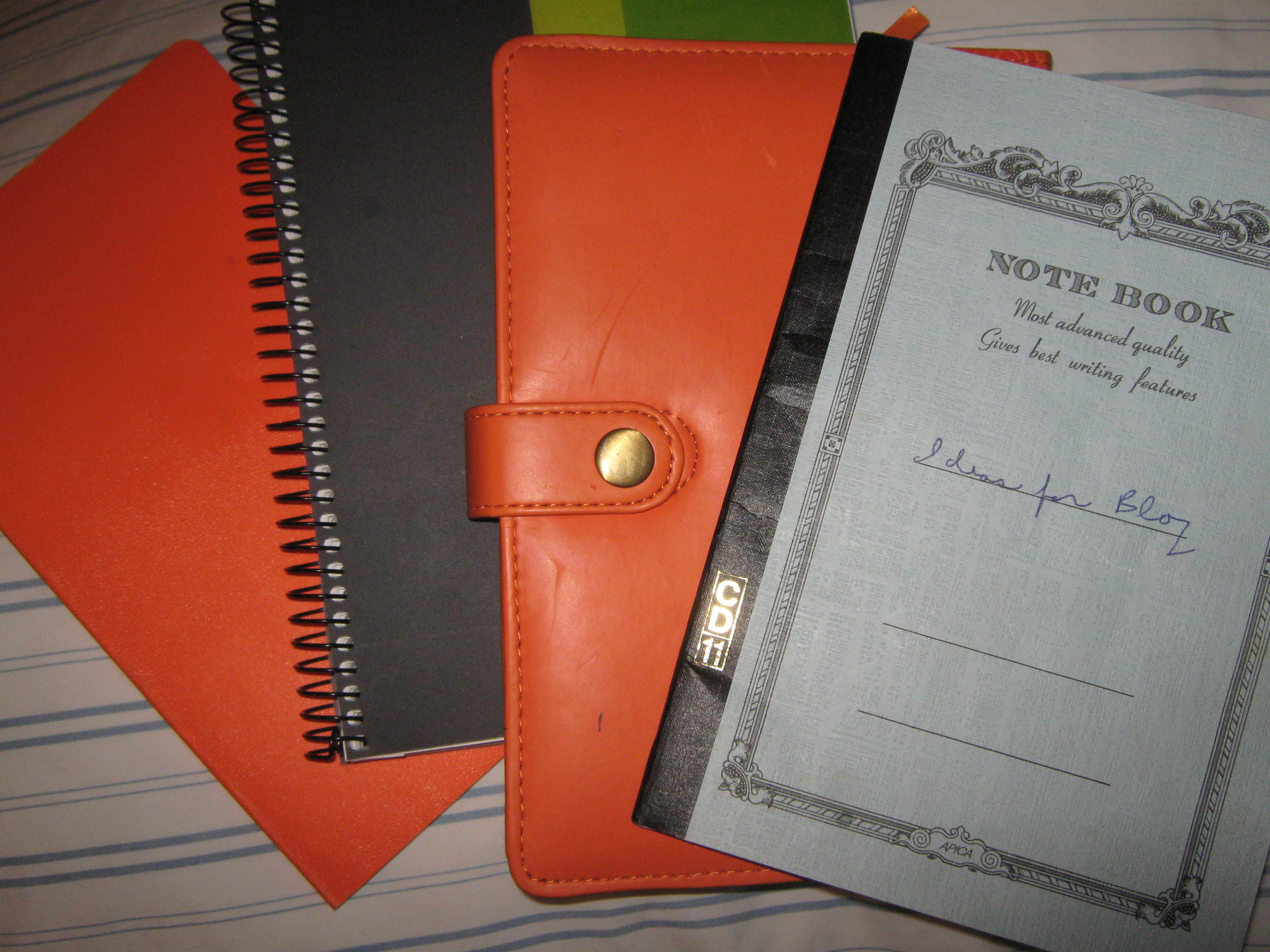
One of these notebooks will go to London.

One of these notebooks will go to London.

I am planning my trip to London.

Two carry-on bags.

And a notebook.

I have a laid-back approach to vacations. I pretend I’m in a cottage, whether I’m in the country or a city.  I get up late, go to the breakfast buffet or a cafe, drink a dozen cups of coffee, hold the map upside down for a while, scrawl notes on when to turn left and right, and then go out.  I do not have a strict schedule.  I might feel like a tour; I might feel like shopping.  Then I go to a coffeeshop and that’s it for the day.

I do have one event planned.  I bought a ticket to see Sebastian Barry at the Oxford Literary Festival. If I feel up to going (if the sun is shining…if I feel like taking the train), it will be exactly like “The Amazing Race”: I must take a train, then find my way around Oxford (by walking, bus, or a taxi; I’ll have to Google it), then take notes if I’m not too frazzled, and afterwards take a “tour-ette” (possibly guided) of Oxford. Do the students and dons still wear robes? No?  I’d love them to look like Dorothy Sayers or Evelyn Waugh, but  possibly they look more like Hugh Laurie or Rebecca Mead, author of the book I’m reading, My Life in Middlemarch.

Fortunately the train service is excellent between London and Oxford.

There are other writers I’d like to hear at the festival, but they’re all there on different days, so I regret I’ll have to pass:  Still, if you want to, you can hear Ian McEwan, author of Atonement and Man Booker Prize winner; Peter Stothard, author of Alexandria:  The Last Nights of Cleopatra, interviewing a writer I’ve never heard of; Orhan Pamuk, the Nobel winner, whose novel Snow I really loved;, and Eleanor Catton, author of The Luminaries and winner of the Man Booker Prize.

I have a long list of things to do in London.

Too many things.

But what notebook should I take?

I love to write about my vacations.

See the blue Apica paperback notebook labeled “Ideas for Blog”?  Apparently I had no ideas for blog. I took a few notes when I went to Bess Streeter Aldrich’s house in Elmwood, Nebraska.  (Her piano came on a steamboat and she embroidered her own luncheon cloths.)  But what on earth did I mean by Fish Tank, The Third Man, Mother, Fallen Angels, Old Boy, & Mary & Max?

See the orange leatherette notebook?  I bought it at Target while my husband was browsing in the sports equipment department.  I love the magnetic snap:  Close the notebook and you hear that wonderful noise. But it’s more a diary than a note-taking notebook.

Next up:  A natty Miquelerius spiral, but perhaps too big for my purse.

Last one:  an orange paperback Moleskine.  Smallish, and except for a few notes on Swann’s Way, it’s empty.

Actually it’s between the Moleskine and the Apica.

And now:  e-books vs. real books.
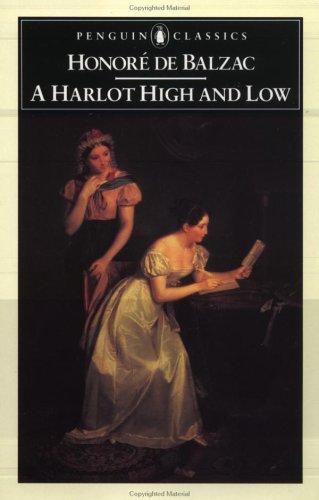
Harlot High and Low BalzacHere we are in 2014.

And I miss books.

I used to order print-on-demand books if my Mrs. Oliphant or George Meredith weren’t available used.

Now I buy e-books, or get them from manybooks.net.

I miss real books.

I was looking at my Balzac collection.

“Do we have A Harlot High and Low?”  If I remember correctly, this is better than Zola’s Nana, which I’ve just finished.

“I took notes in it,” my husband said.

He was a notorious note-taker in college–my advisor once told me he was the best student they’d had in 10 years:  they were shocked he didn’t go on for a Ph.D.–and the pages are covered with notes.

I simply can’t read a book with highlightings and scrawlings.

On the occasions when I took notes in class, I wrote in a notebook.

I have to buy another copy, right?  And I want a paperback.   I read everything  for months on my e-reader and then suddenly need a real book.

E-books or books?  Which do you prefer?
The Bookstore Tour of London & Mrs. Miniver’s Green Lizard-Skin Appointment Book

stack_of_booksToday I thought of something that made me laugh while I was walking down the street.

On the Bookstore Tour of London, as I now call it, why not arrange to work for a day or two in a used bookstore?

I can’t look at culture all the time.

I would happily shelve books, catalogue books, do anything but handle money, which I probably won’t master in the UK.  And I would bet I could sell some hard-to-move book in return for a book. Or I would bet to sell a regional novel from the Midwest, something by Bess Streeter Aldrich, Wright Morris, or Ruth Suckow. And I have worked for books before.

When I first moved to this city, I worked at a used bookstore in return for books.  As I wrote here on January 25:

One window was boarded up, and the other impossibly dusty.  A few books had been dumped  in the window, apparently by someone who had forgotten to shelve them.  If you wanted a coverless copy of The Oxford Book of English Poetry, out-of-print science fiction by David Lindsay, or a wacky 1950s Big Book of Games, which emphasizes  games that require passing an apple from under your chin to another’s, this was the place for you.

There was no order.  I put books into the right sections, then alphabetized them.

But then the store shut down.  The owner, a cattleman who came in to the city occasionally, was sick.  His siblings decided to pulp all the books.

Yes, I am not joking.

Now I’m sure in London there is less book pulping.

Well, I may write to a bookstore and see if anyone will let me volunteer for a day.

Here is the list of bookstores I got from your comments on my “My Mother’s London” blog.

Persephone bookshop
Oxfam
Oxfambloomsburybookswordpress.com
Skoob Book
Any Amount of Books
Henry Pordes
Foyle Charing Cross
used bookstores Charing Cross
Daunt Books

Do any of these look like American-for-a-Day bookstores?

Ho hum.  I do like to entertain myself.

THE GREEN LIZARD-SKIN APPOINTMENT BOOK.  Jan Struther’s Mrs. Miniver, a collection of short columns about a housewife in The Times in 1937, is charming and entertaining, if much less witty than E. M. Delafiled’s comparable Provincial Lady books, written as columns for Time and Tide.

I particularly enjoy the  scene where  Mrs. Miniver  goes to a stationer in London, compares three appointment books, and buys a brown calf, “a pleasant little volume,” instead of the very expensive, gorgeous green lizard appointment book she wants.

Then on the bus:

Halfway down the Pimlico Road she suddenly pressed the button and jumped off the bus….

At this very moment, perhaps, the green lizard-skin diary was being bought by somebody else–some wholly unsuitable who merely wanted to get one in a hurry; a rich, earnest woman who would fill it with committee meetings, or a business man who would not even glance at the binding when he opened it to jot down the words “Dine George.”  While she herself with all her dearest activities soberly confined in brown calf would be thinking about it in an agony of regret.

She loves the lizard-skin diary.  And  she needs it.

What I was wondering is:  What is your green lizard-skin diary?  ANd have you ever had such an experience?

Mirabile Does Middlebrow: Too Many Books, Sorry, Publicists, & Susan Rebecca White’s A Place at the Table

Woman reading clip art vintage I have acquired approximately 60 books this year.

You’ll say, She probably doesn’t read these.

You would be wrong.  I have read a third of them, and will get to the rest.

And thank God for Amazon, because bookstores are not the strong suit of this part of the country.

The problem is that we have no place to put all our books.  We have many double-stacked bookcases, a china cabinet full of books, and  books in chests of drawers.

Bookcase sagging.

Bookcase sagging.

Okay, this  bookcase is made of  cheap laminate wood, and that second shelf is beginning to sag from the weight of double-stacked books.

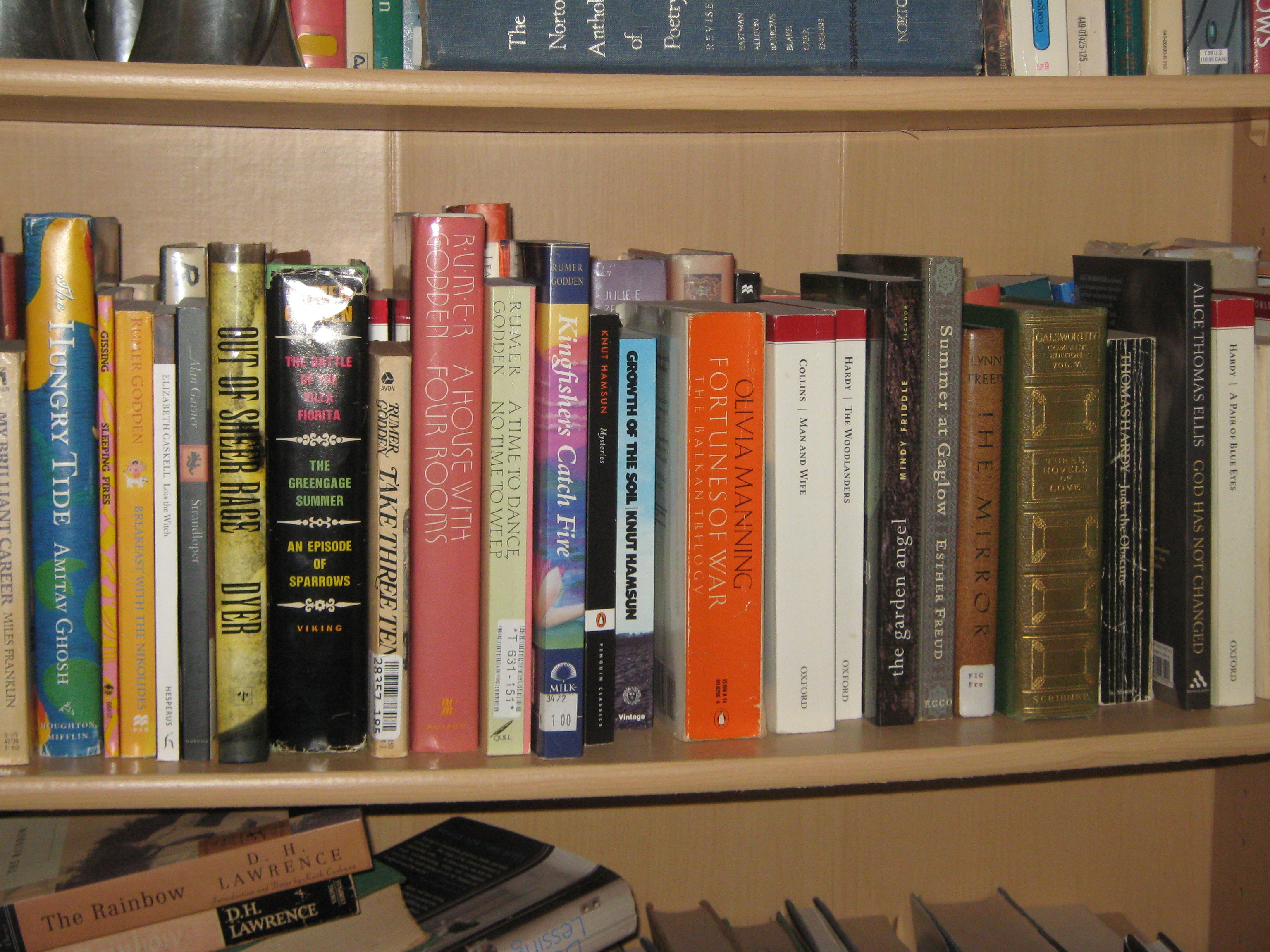
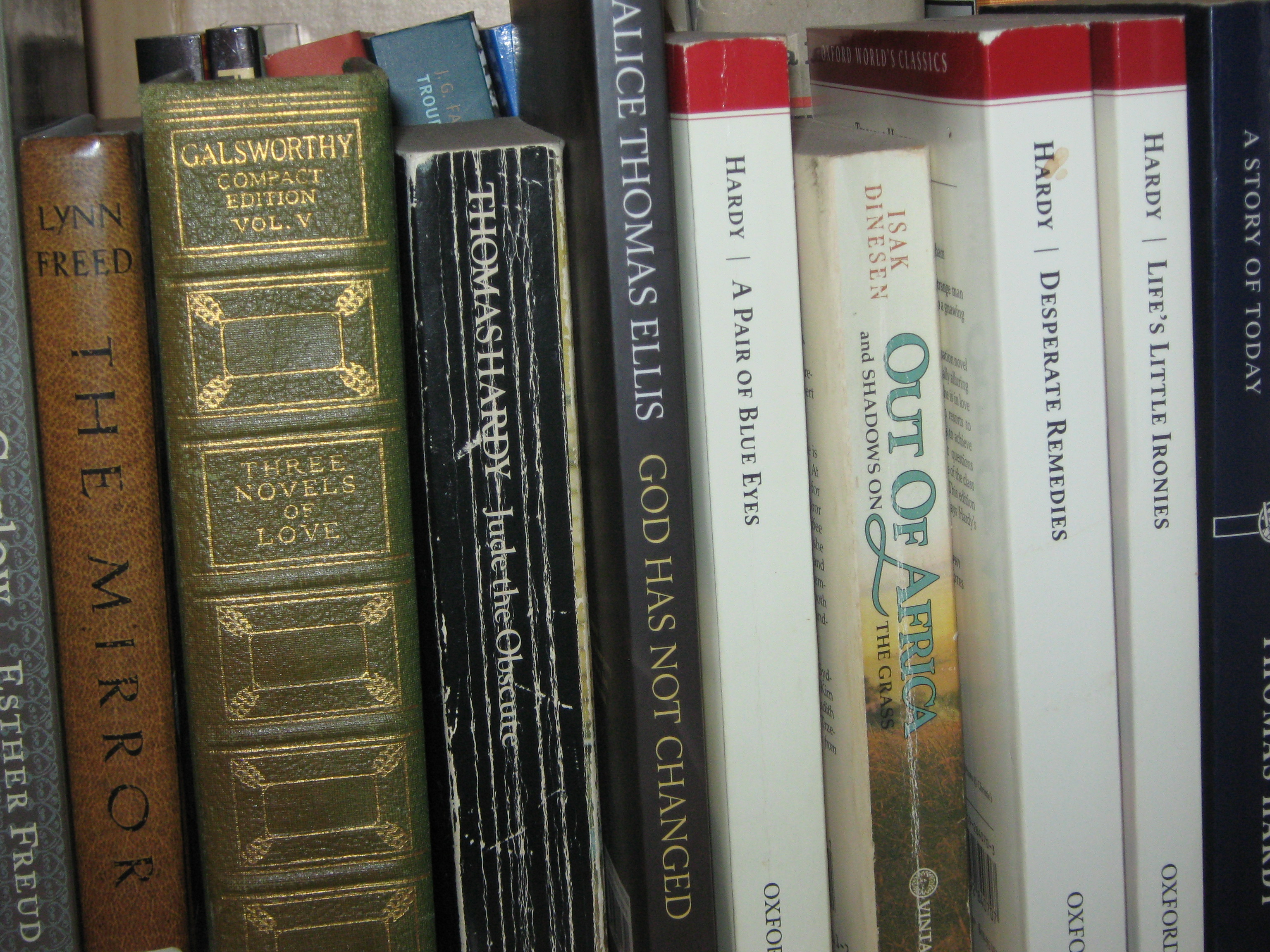
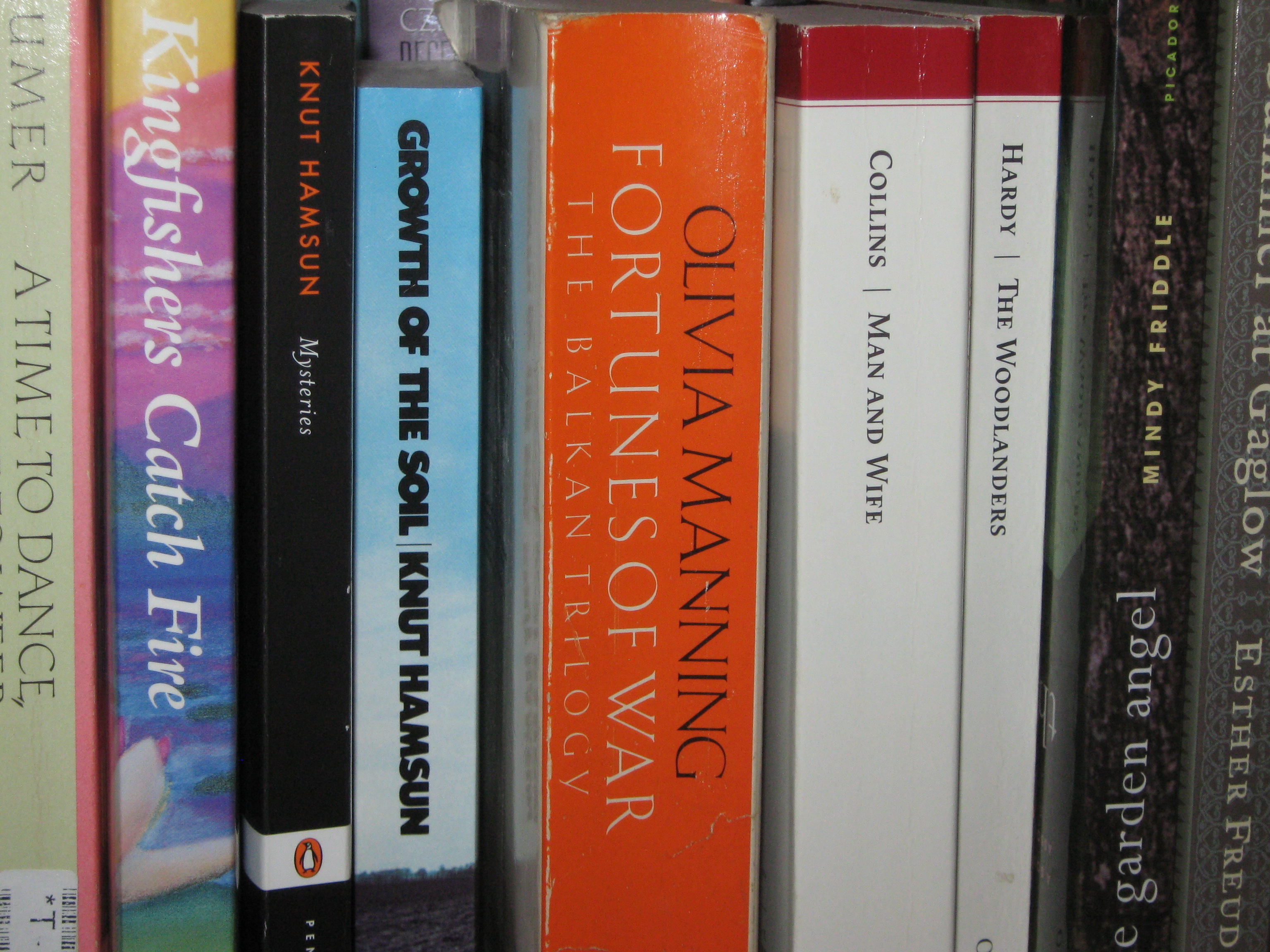
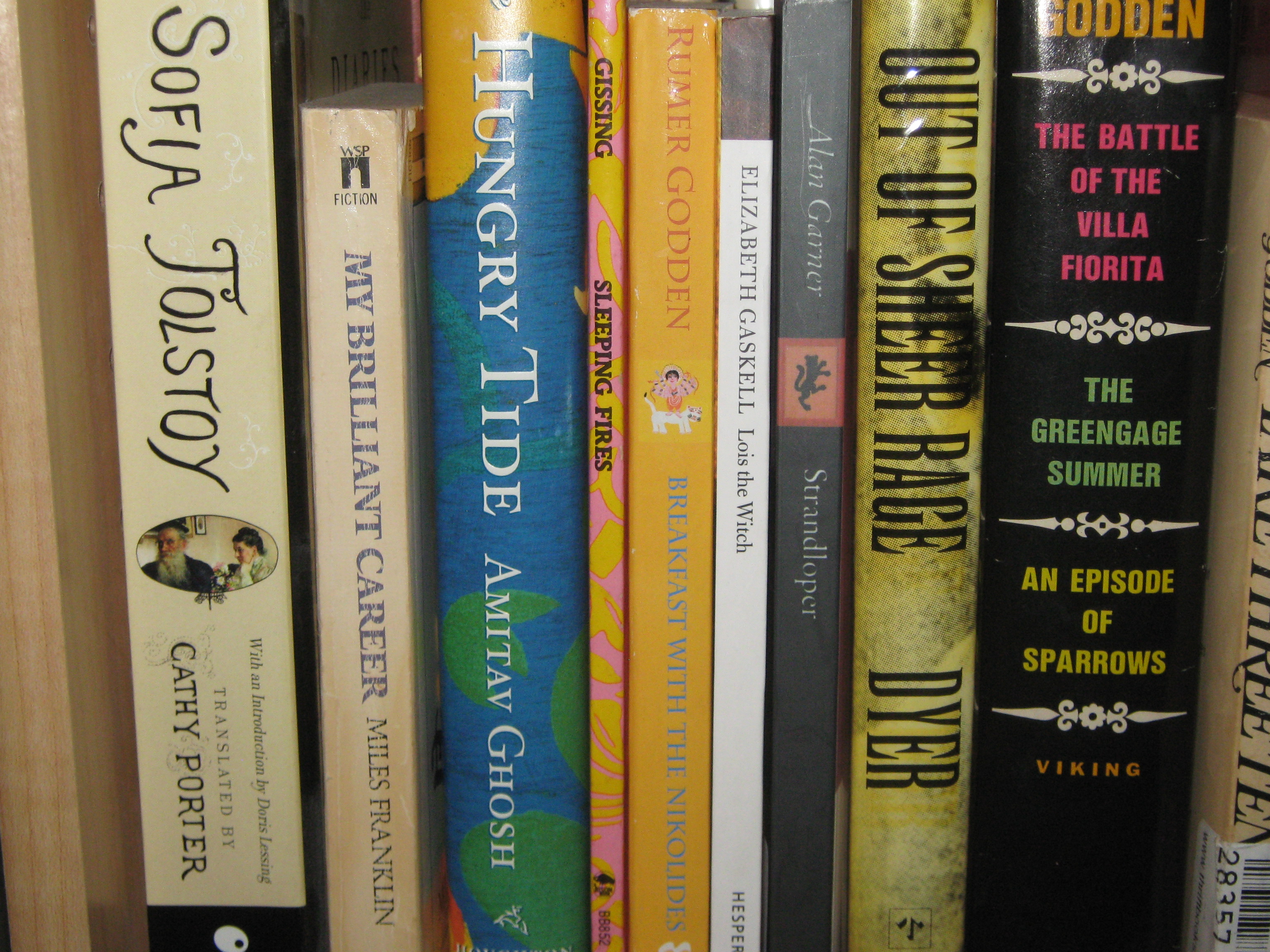
Guess how many books I’ve read on the shelf pictured below and you win… well, nothing, but it is a summer carnival game.

Picture # 1:

IMG_2498_1

I’ve read all of these except Lynn Freed’s The Mirror

Picture # 2:

IMG_2502I’ve read all except Knut Hamson’ Growth of the Soil.

Picture # 3:

IMG_2500I’ve read only half of the Sofia Tolstoy and not read the Alan Garner yet.

We often talk about opening a used bookstore, but I would have to sell my own books.  I would probably be like the owner of a (now defunct) used bookstore who sometimes whisked books from the counter to his desk and refused to sell them.

I wanted to buy his copy of Abdelrahman Munif’s The Trench, the second book in a trilogy about the repercussions of American oil companies in a country “very much like Saudi Arabia or Kuwait,” as the book cover says.

The owner whisked it off the counter and told me I didn’t want to read that book.  “Cities of Salt is much more charming.”

No, I really did want to read that book, because I’d already read Cities of Salt.

I figured it was his book and he hadn’t gotten around to reading it yet, so I finally gave up.  He wouldn’t sell the books unless he felt like it.

I ordered The Trench from Amazon.  The great thing about Jeff Bezos is that he SELLS books.

SORRY, PUBLICISTS.  Bloggers are wild cards. Publicists don’t know us very well.  Sometimes we are good matches for their books, most times not.   Very few seem to know what we actually write about at our blogs, or the kind of books we read.  Because they would rather have their books reviewed than not reviewed,  they give gifts to or exploit bloggers, depending on your point of view.

Bloggers are often flattered when publicists approach them;  I have  been flattered occasionally when  publicists approach me.  But the truth of the matter is I seldom blog about the novels they send me.  I would not in the course of my real life read these books.  It’s like Book Club:  if it’s assigned, I don’t want to read it, and so have reviewed no “free” books this year. (I received a sports book once; why?)

And that’s why I prefer to choose my own books.

The following charming novel is the sole review copy I’ve  read this year. It isn’t quite for me, but I do know some people who will love it.

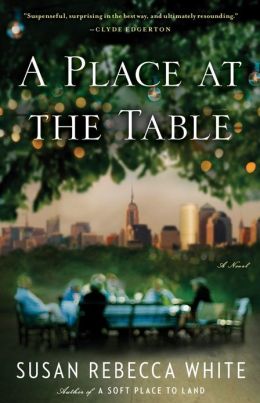
Mirabile Does Middlebrow:  Susan Rebecca White’s A Place at the Table.  This novel appealed to me because Clyde Edgerton, a A Place at the Table Susan Rebecca Whitewriter of charming Southern comedies, wrote a blurb for the book jacket.

In this lovely, entertaining novel, White tells the stories of three characters whose lives intersect over their love of food. Alice, a famous African-American chef and cookbook writer, lost her brother in 1929 when he was sent away by his family because they were afraid he would be lynched.  He and Alice had cut down a boy who was lynched, and this precipitated his rebelliousness and impertinence to a store owner.  Alice later moves to Manhattan, and her cooking makes the reputation of a small restaurant patronized by famous writers.

Bobby is a gay man, the son of a Baptist preacher and housewife in Georgia, and he lives in the 1970s with his Meemaw (grandmother)  after his parents catch him having sex with another boy.  When she dies and leaves him a little money, he goes to Manhattan and finds work as a chef in the once-famous restaurant where Alice used to cook.

Amelia, a Connecticut housewife who loves to cook and has built a life around her daughters, misses them badly when they leave for boarding school and college.  Her husband begins to have tantrums:  he screams at her for getting fat and not having sex with him.  Then she learns he is having an affair.  Amelia has to put her life together, and her Aunt Kate, an editor, introduces her to Bobby.

All these characters have family secrets.  Bobby is the important, vulnerable, charming, sympathetic character whose lover has died of “gay cancer,” and he accepts both of these women when they are most depressed.

The writing is richly colored.  Here is a passage about Bobby and Memaw.

Meemaw always ices her chocolate cake with cream cheese frosting.  It’s my favorite kind because Meemaw and me can dye it whatever color we want.  I like pink, but I can only color it that way if it’s just Meemaw and me eating it.  One time I brought home a batch of pink cupcakes for my family.  Hunter asked, “Why’d you choose that sissy color?’  Daddy said he bet I’d tried to make them ref for the Georgia Bulldogs but just hadn’t added enough food coloring.  ‘Isn’t that right, son?’  Daddy asked, and I answered, ‘Yes, sir,’ knowing that was what he wanted to hear.

White, an Atlanta native, has an MFA from Collins and teaches at Emory University, and this light, but moving, novel is her third book.