Diana Birchall is the winner of G. B. Stern’s The Matriarch!
And Lory is the winner of the du Maurier and the Carter!
Enjoy! Send me your addresses and I’ll mail them out this week: mirabiledictu.org@gmail.com

Diana Birchall is the winner of G. B. Stern’s The Matriarch!
And Lory is the winner of the du Maurier and the Carter!
Enjoy! Send me your addresses and I’ll mail them out this week: mirabiledictu.org@gmail.com
It’s a Second Copy Giveaway!
Do you ever literally not know what’s double-stacked on your shelves?
I’ve been weeding to make room for my London books and discovered in exasperation that I have Two-Copy syndrome.
I am giving away:
 1. Daphne du Maurier’s My Cousin Rachel. This is an old hardback. I’ll never read it again, but know some of you are mad fans.
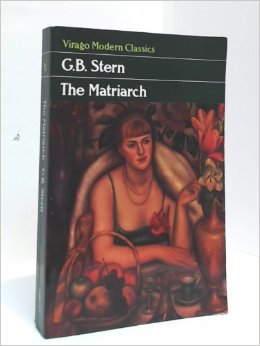
2. G.B. Stern’s The Matriarch. Can you believe I bought this in Europe when I had the Virago at home?
3. Angela Carter’s The Passin of New Eve. Coulfn’t resist a Virago in London, but this is a nice hardback.
Leave a comment if you would like one or more!!
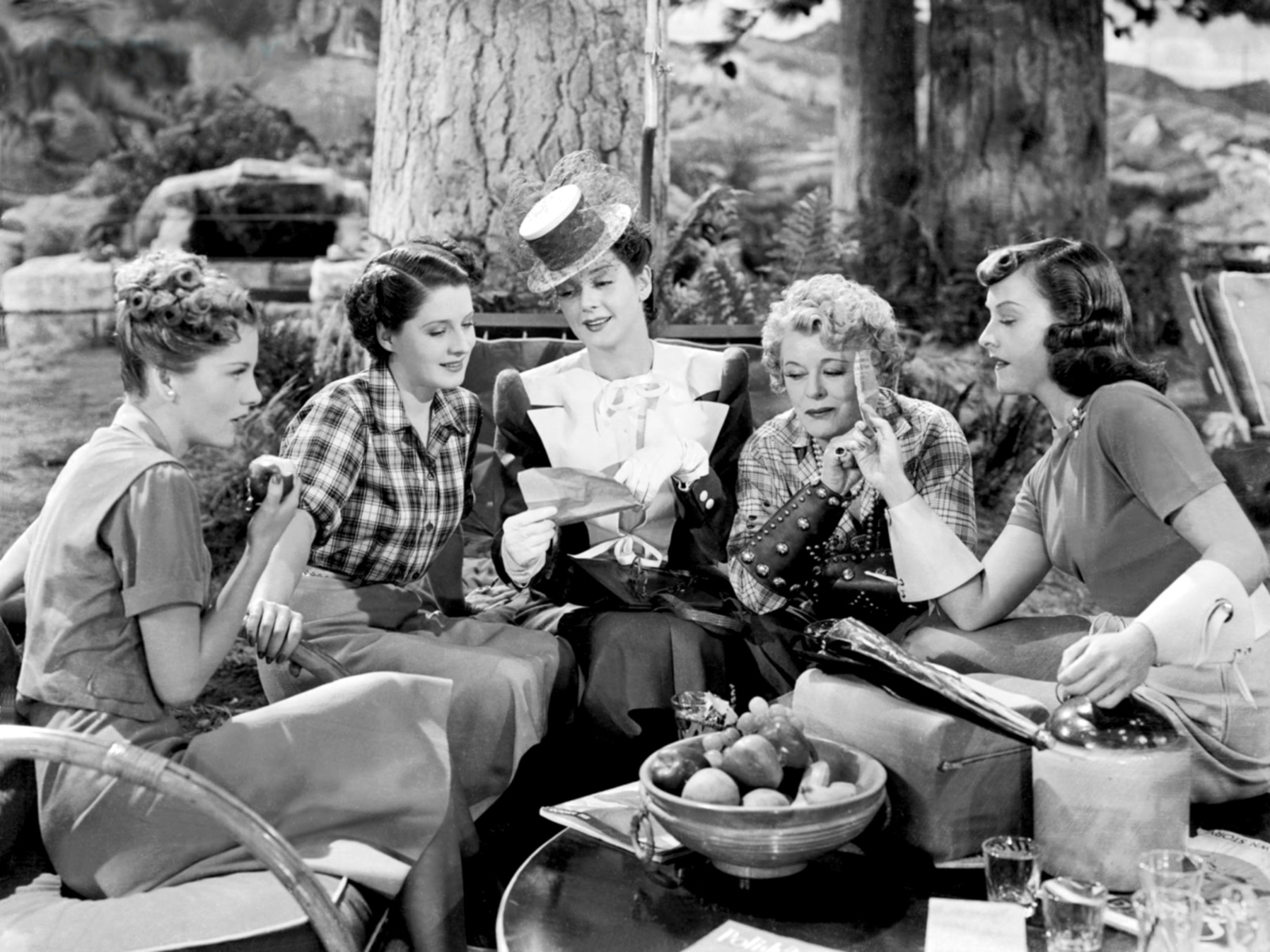
“The Women,” 1939
You move to a small town in Texas, the Midwest, or Upstate New York. It hardly matters.
Population: 700 or 7,000
Bookstores: None
Libraries: do not have the classics and out-of-print books you need.
Technology: Superior!
And so you are on the computer, phone, or tablet 24/7. When you wake up in the middle of the night, you check your email. It doesn’t seem normal, but who is your best friend? The kind people who help you scan your passport at O’Hare, or your computer? It should be the people, but it is the computer. (I am leaving family off this list, because they are family!)
And that’s why I was interested in Jessica Love’s review in The American Scholar of Sherry Turkle’s new book, Reclaiming Conversation: The Power of Talk in a Digital Age.
 I am banned from reading book reviews until March 2016. I am on an (Almost) Zero-Spending program because I spent £95 at the London Review Bookshop, £30 at the Persephone Bookshop, and, thank God, less at the used bookstores! Is it possible to buy books without checking the prices? I am, however, allowed to read book blogs, because the pace is less urgent. Bloggers are so eclectic–some read only out-of-print books–that I am happy just to put the books on the list and think about them.
I actually wasn’t aware that Jessica Love’s article, “We Need to Chat: How technology,” was a review until I clicked on it.
We need this kind of review/article to interpret society nowadays. Love says that Sherry Turkle, the author of Reclaiming Conversation, reports that Facebook, email, texts, etc., are destroying our ability to focus on a subject and have meaningful conversations. In 2012, a study at Essex University found that students who were paired off to converse with each other for 10 minutes were so distracted by a phone on a nearby desk that they lacked empathy for and were less trusting of each.
Jessica Love writes:
It was the intimacy of conversations that really took a hit, the researchers found. When discussions were casual, the cell phone on the desk made little difference. But when conversations touched on more meaningful topics, the device—though it remained still, silent, off to the side, and unanswered—discouraged conversation partners from warming to one another.
I often joke that I haven’t had a conversation in 15 years. I chat with my relatives and a few friends, but we seldom talk about anything deep. Is it necessary to be profound? I used to tell everyone what was on my mind. Why am I less serious? Is this a less serious age? Do we have to be Stephen Colbert? (Do you think Stephen Colbert is funny?)
I miss seriousness.
I can’t say I am a researcher on the internet, but I have noticed a few things.
1 The Occupy Wall Street Movement n 2011 was adorable. “We are the 99%.” Possibly untrue, but I liked the sound of it. However, I could not help but notice that the protestors couldn’t focus. What were they protesting? They couldn’t say. Bankers? Debt? The website adds, “The sanctity of individual privacy,” and “Making technologies, knowledge, and culture open to all to freely access, create, modify, and distribute.” Isn’t privacy on the internet an oxymoron? Has the internet interrupted their train of thought? Is my skepticism a hearkening back to the ’60s and ’70s, when we were able to organize groups around promoting specific goals, such as legalized abortion, equal pay for equal rights, the end of the Vietnam War, etc.? Could we do that because we conversed face-to-face instead of online?
2. As a blogger, I have noticed a movement of what I call “parallel blogging.” Instead of discussing a single book, as one does in book clubs, many talented blogger/readers volunteer to read one or two books from, say, a list of 25 posted by a lovely blogger. I am happy to participate in a year-long reading of The Forsyte Saga, but I have never been able to comprehend the point of a 24-hour-readathon. Bloggers register for the readathon and read and tweet and post and provide links to other participants’ blogs until I am dizzy. The new way of parallel participation isn’t bad, it is simply different. I am a part of this culture but I am also apart from it.
Do we need more conversation? Or is Sherry Turkle wrong?

Yup, it’s tea time in the back yard.
I’m calmly drinking my home-brewed tea after a week of gulping Grande javas at sidewalk cafes. My home cafe is like Starbucks without the Starbucks, or Costa without the Costa. I love the beautiful parks and squares in London, but it is really better to sit under a tree in your pajamas and drink coffee out of a kitschy cat mug.
And so as I read Lynne Reid Banks’s elegant, moving novel, The L-Shaped Room, a 1960 feminist classic about an unmarried pregnant woman in her late twenties, I not only admired the exquisite writing but noted how much coffee and tea is imbibed.
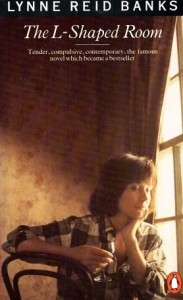 The narrator, Jane Graham, a former actress who works in PR, is confused and sad and daren’t tell her friends about her pregnancy. Instead, she throws herself upon the expertise of middle-aged men. A Harley Street doctor assumes she will want an abortion. And when she tells her father she is pregnant, he says she is no better than a street-walker. Fed up with the patriarchy, Jane leaves home and moves into a seedy L-shaped room in a dilapidated house.
We tend to forget the stigma of unwed pregnancy, since it is celebrated in sitcoms and movies (Friends, Mom, The Switch, etc.). Abortion is still a guilty secret, because of the mad Fundamentalists who picket and protest Planned Parenthood and abortion clinics. At the moment, funding for Planned Parenthood is under attack by the Republicans. It wearies me to think my days as a volunteer coordinator for NARAL in the 1970s made so little difference.
But I am fascinated by this novel, not because of the pregnancy, but because I love reading about Jane’s cheap digs and the people who rent rooms there. They band together, as people do when they have a bad landlady and bedbugs terrorize them. Jane makes friends with Toby, a witty writer who would rather talk to Jane than write; John, a black jazz musician who does needlework ; the two kind prostitutes, Jane and Sonia; and Mavis, the retired costumer for a theater company. John is always making tea and meals for Jane and Toby. Mavis makes the best coffee. Jane loves coffee, and also drinks it at Frank’s, a neighborhood cafe.
In college we all rented rooms unless we had trust funds. (Those with trust funds owned their own houses, and generously offered to let us live there, but then you had to buy Christmas trees with them… and it wasn’t worth it if you were depressed). I could barely squeeze a bed and tiny bookcase into my room, but it was my own. All of us got to know each other in the shared kitchen, and we went to discos together (such bad music!), sunbathed on the roof, and occasionally shared Ramen noodles and cake mixes.
Jane’s house was bigger than our three-story. Jane says,
My room was five flights up in one of those gone-to-seed houses in Fulham, all dark brown wallpaper and peeling paint outside. On every second landing was a chipped sink with one tap and an old ink-written notice which said ‘Don’t Leave Tap Dripping.’ The landing lights were the sort that go out before you can reach the next one. There were a couple of prostitutes in the basement; the landlady had been quite open about them. She’d pointed out that there was even an advantage to having them there, namely that nobody asked questions about anybody.
I love this kind of book. So I’ve been thinking about other novels where characters live in lodging, and please let me know your favorites!
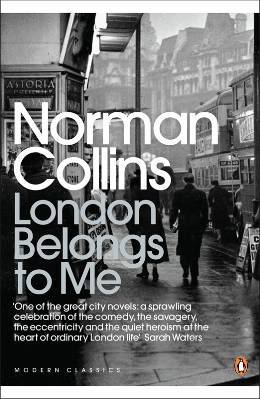 Norman Collins’s London Belongs to Me. In this charming novel, Collins interweaves the stories of the residents of Number 10 Dulcimer Street in London. Th stingy landlady, Mrs. Vizier, broods in her basement apartment, wondering if any of her tenants are bringing the tone of her house down. But her tenants are a plucky lot, and they support one another through innumerable troubles, including a murder. (I wrote more about this novel here.)
And that’s all she wrote for now! Please let me know your favorite lodgings in literature!
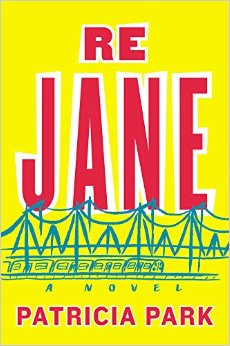 I am mad about the Brontes. I have reread three of Charlotte’s novels this year, but I’ve put off Jane Eyre. I wondered if I should give it a miss since I know it so well.
Fortunately, Patricia Park’s witty first novel, Re Jane, a Korean-American version of Jane Eyre, has sent me back to my Charlotte Bronte roots.
Park’s lively retelling of Bronte’s classic is utterly engrossing. The Korean-American narrator, Jane Re, an orphan raised by her Korean uncle and aunt in Flushing, Queens, is stuck working at the family grocery store after college graduation. She had a job lined up at Lowood Capital Partners, but it was rescinded after the CEO was accused of insider trading and a hiring freeze was declared. She still lives in the Korean neighborhood where she grew up, while her peers are on the fast track out.
Although the neighborhood is what Jane calls “all Korean all the time,” the inhabitants are still outsiders in New York. They have problems speaking English. Jane humorously tells us,
Flushing. The irony was that none of its residents could pronounce the name of their adopted hometown; the Korean language lacked certain English consonants and clusters. The letter F was assimilated to an H or a P. The adults at church would go Hoo before they could form the word, as if cooling it off their tongue. My uncle and aunt’s rendition: Poo-Rushing. It could’ve been poetry.
And Jane is an outsider, because her father was an American and she is tall. But she doesn’t complain about her problems, because whining is not part of Korean culture. She is also held back by “the power of nunchi.” There is no English equivalent, but she explains, “It was the ability to read a situation and anticipate how you were expected to behave. It was filling your elder’s water glass first, before reaching for your own.”

Patricia Park
She has a lot in common with Bronte’s orphan, Jane Eyre, though Jane Eyre’s aunt was crueller than the modern Jane’s uncle. If you have never read Jane Eyre, you should know: she becomes a governess after graduation from Lowood school, a charity school, and then falls in love with her boss, Mr. Rochester. She discovers Mr. Rochester has a mad wife in the attic, and leaves. Jane Re’s life follows a similar pattern. Tired of her unkind uncle’s put-downs, she takes a job as a nanny in Brooklyn. Her charge, Devon, is the adopted Chinese daughter of Beth Mazer, an eccentric Women’s Studies professor, and Ed Farley, her hunky younger husband, a high school English teacher. Naturally, Ed and Jane bond over late-night sub sandwiches in the kitchen. Naturally the feminist Beth is the mad woman in the attic.
The satirizing of feminists is an American tradition: think of Henry James’ Olive Chancellor in The Bostonians and Jenny in John Irving’s The World According to Garp. Park’s satire of Beth is sharp but it has a twist: she makes her likable. To Jane, a young woman who knows nothing about feminism, Beth seems ridiculous : she doesn’t shave her armpits, calls adoption an “alternative birth plan,”eats only organic food, and has written a family rulebook/history called The Mazer-Farley Household: A Primer. Beth literally has an office in the attic and is a bit mad, but she is also genuinely kind and concerned when she observes the dynamics of the relationship between Jane and her uncle. Beth thinks a women’s studies course could help Jane. She lends Jane a book called The Feminist Primer: A Constructive Critique of the Feminist Movement. Jane and her friend Nina, another nanny, giggle over it.
Even though Jane thinks Beth is mad, she is not a bad girl. She flees from Ed/Mr. Rochester to Korea just before 9 /11. She stays in Seoul with an aunt, teaches in an English school, and devotes most of her time to clothes and makeup. When Nina visits her in Korea, she doesn’t care for the new Barbie doll Jane. Where does Jane belong? Who is she?
I won’t tell you what happens. All I can say is that it is thoroughly enjoyable and well-written! I loved it.
 The bookstores in London are incredible. I spent hours browsing at Skoob, Waterstones, Oxfam, London Review Bookshop, Foyles, Henry Pordes, Persephone, and some tiny shops whose names I didn’t notice. The very tiny shops (but none mentioned here) will gouge you with high prices.
I mailed a box of books to myself. I’ve been watching like a hawk for that box.
It arrived. It took a while to rip it open. Talk about tape! The cats watched with interest.
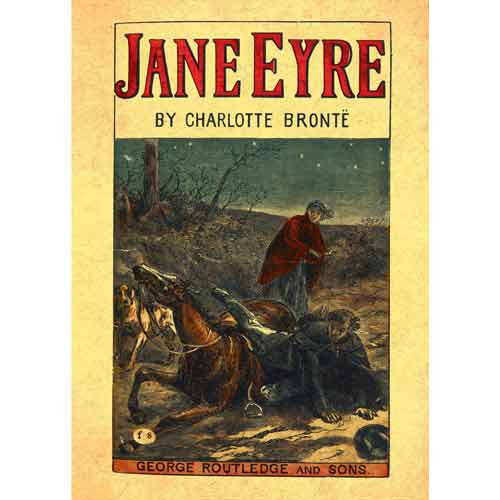
But what pleased me most? A Jane Eyre greeting card from the British Library, a facsimile of the cover of the 1889 edition published by George Routledge and Sons.
And I realize from a Jane Eyre point of view that a collection of cards might be better mementos than books.
I feel smug about my books, though. Honestly, I’ve never bought so many books at once. What a great collection! I don’t need any more books for a while. Do you see why I’m in Book-Buying Rehab????
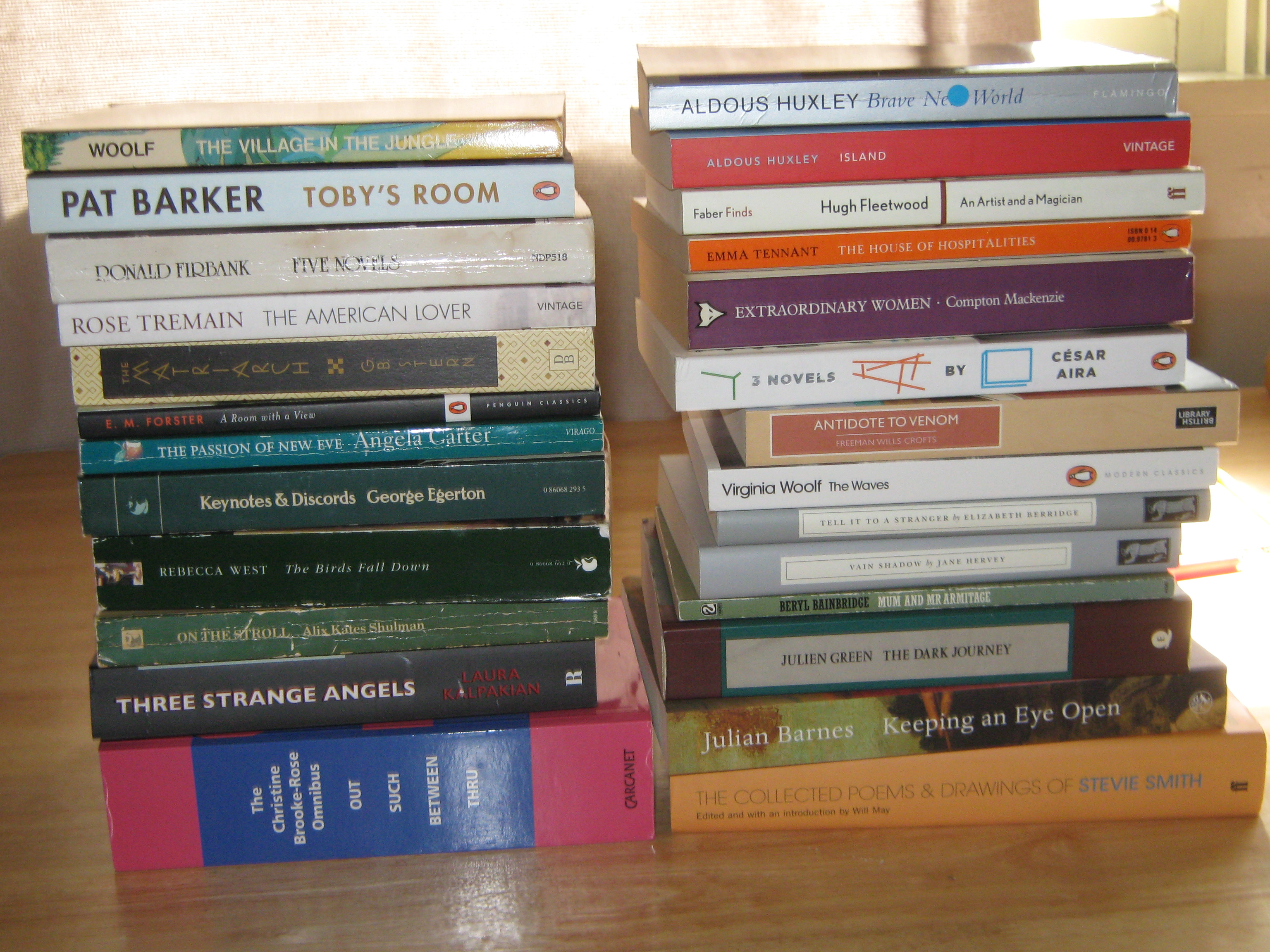
I found some Viragos and Persephones, as you see in the closeup shot below.
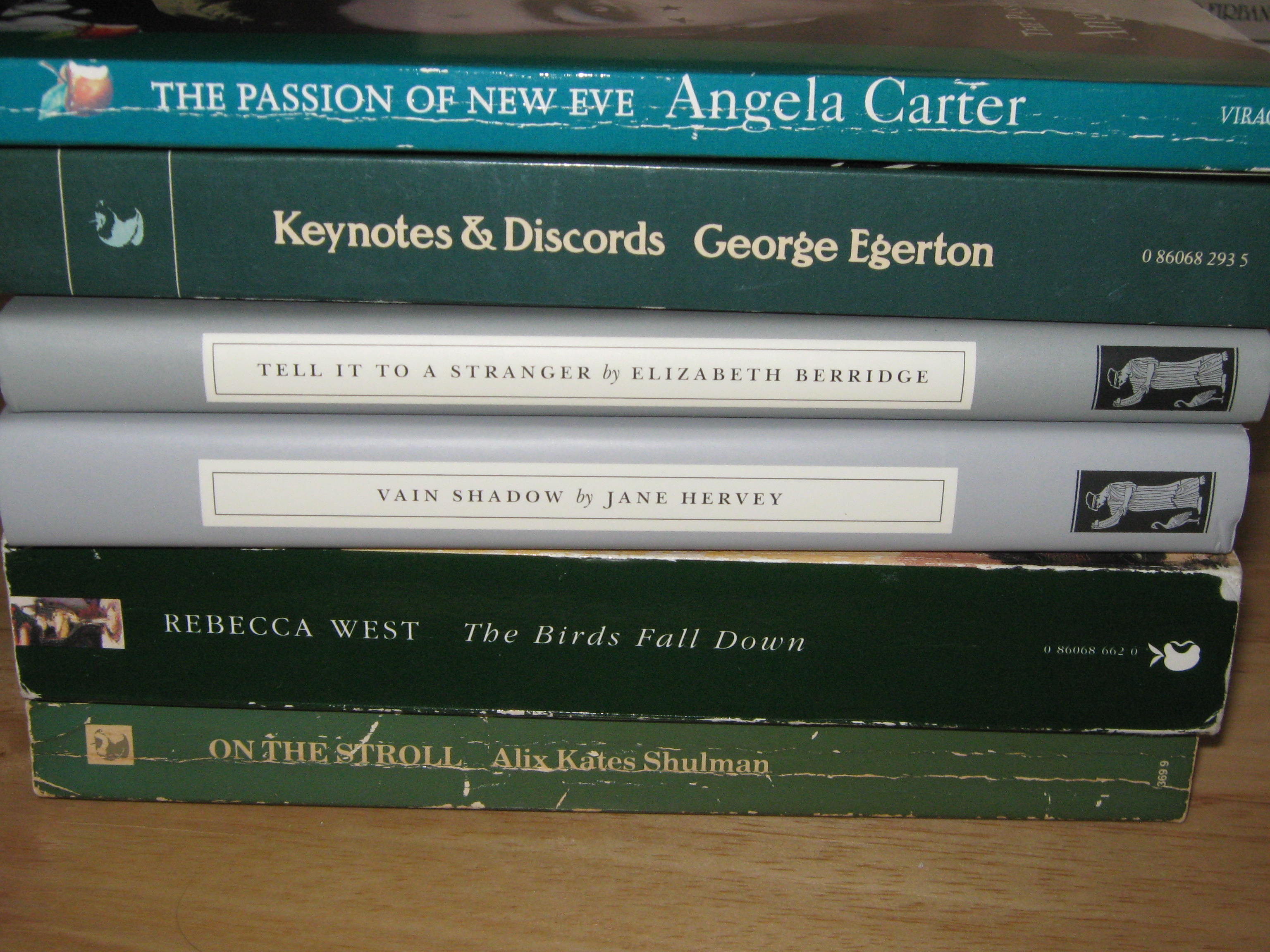 Note that I had to go to London to find On the Stroll by the American writer, Alix Kates Shulman, author of Diary of an Ex-Prom Queen. I had ever heard of it.
Below are two other stacks, arranged on the cats’ rocking chair.
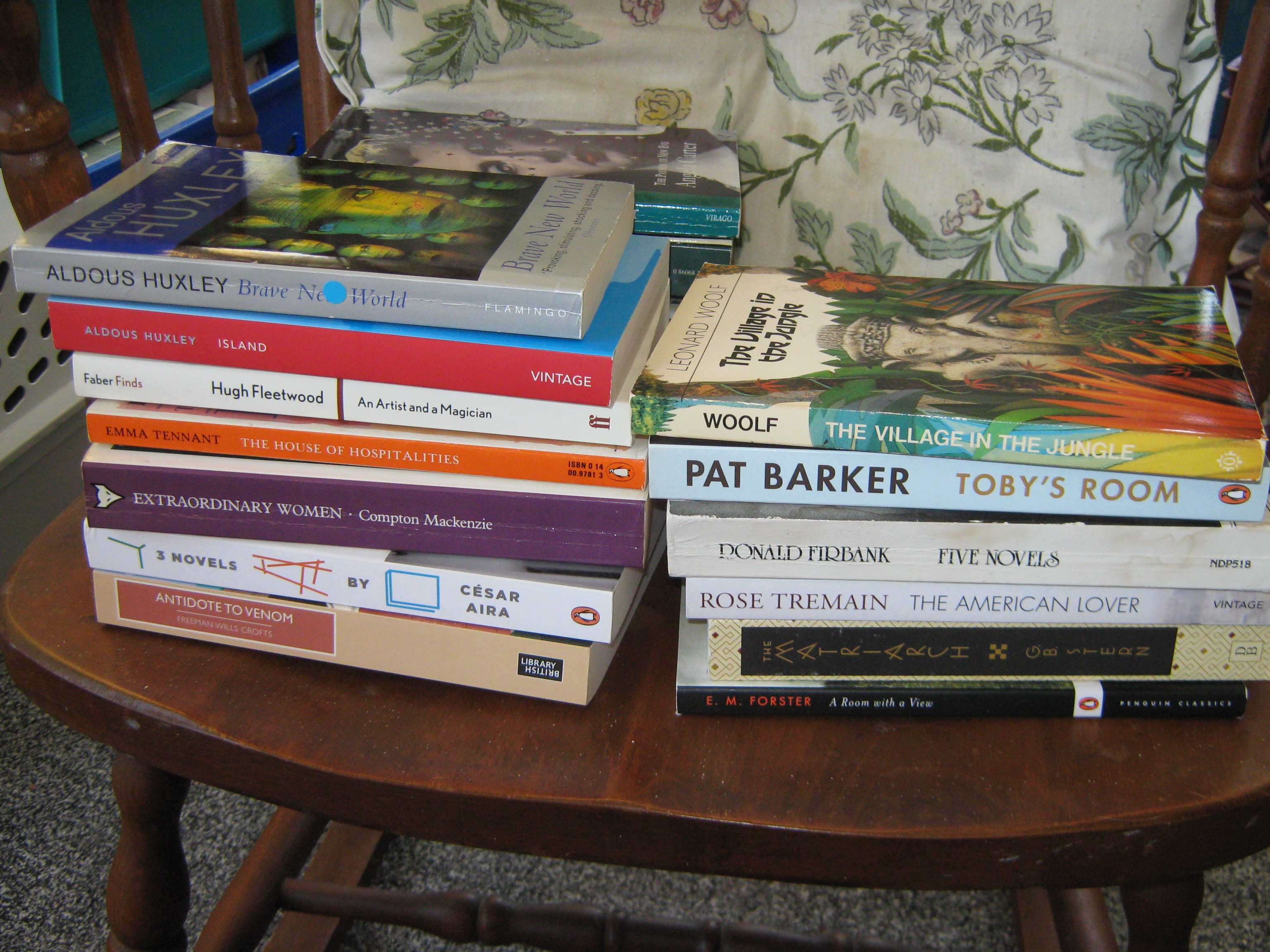 These are not organized by publisher, so I’ll call them Used and New.
Used Books:
Aldous Huxley’s Brave New World and Island
Hugh Fleetwood’s An Artist and a Magician
Emma Tennant’s The House of Hospitalities
Compton Mackenzie’s Extraordinary Women
Leonard Woolf’s The Village and the Jungle
Pat Barker’s Toby’s Room
Ronald Firbank’s Five Novels
And a replacement copy of Forster’s A Room with a View which I’d lost on the plane
New Books
3 Novels by Cesar Aira
G. B. Stern’s The Matriarch
Antidote to Venom by Freeman Wills Crofts
And now for the final picture. Only two in this stack are used: Beryl Bainbridge’s Mum and Mr. Armitage and Julien Green’s The Dark Journey. The Collected Poems & Drawings of Stevie Smith is a stunning book, but I realized after lugging it around London that hardcovers are too heavy for traveling. The same goes for The Christine Brooke-Rose Omnibus, an enormous paperback I’ve been looking for for ages and of course had to buy! Julian Barnes’s paperback, Keeping an Eye on Art, is exquisite. It is now available in the U.S.! Right after I bought it in the UK, of course. Oh well, I love all these books, and no regrets!
 Now off to hide some of these from my husband. And I have to do six months of book rehab before I allow myself to buy a new book!
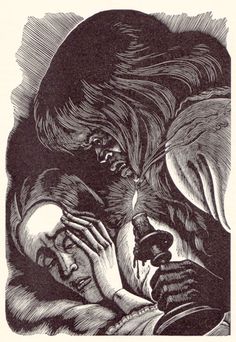
Bertha Mason discovers her inner Jane Eyre (illustration by Fritz Eichenberg)
Doctor Shopaholic’s Notes: Ms. Mirabile is a compulsive book shopper. She bizarrely admits to spending her vacation in London bookstores. Could have gone to theater, concerts, and museums. Spent one day reading The Oresteia in her hotel room. Is not sure how much she spent on books: it adds up differently every time. Her math is terrible! Her receipts are a mess!
Prescription: Get that woman a Kindle!
Yes, I’m fooling around.
I have an e-reader! And a new shopping journal, a pretty notebook I bought at Paperchase in London.
Here’s my new entry:
Oct. 14: Bought a latte, $3.50.
Yup. Buying a new notebook means I will shop less.
When will this madness end?
Who knows if I will ever get to London again? I went to all my favorite bookshops and bought a number of books. I also discovered the fancy little bookshops on a lane off Charing Cross Road, Cecil Court. Most of them were a little rich for my blood, but I browsed at Stephen Poole Fine Books, which specializes in first-editions of 20th century literature. A collection of Rumer Godden’s short stories tempted me, but it was pricey. Maybe next visit.
But here’s why I really have to cut back.
I went to Barnes and Noble yesterday.
Heavens, what did I need at a bookstore?
Nothing.
I went to B&N to see what they are promoting this week . Oddly, they are not making a big deal of the tenth-year anniversary edition of Twilight, or George R. R. Martin’s new novella. I had predicted they would. They’re in the best-seller section, but not prominently displayed. In the literature section I found Faith Sullivan’s Good Night, Mr. Wodehouse, published by the small press Milkweed Press. And I am looking forward to reading Joy Williams’ new collection of short stories.
But steady on! Not right now.
What would Jane Eyre do, I ask myself.
In London I discovered my inner Jane Eyre.
At the British Library, I saw the manuscript of Jane Eyre on display in a glass case. And Branwell’s portrait of the Bronte sisters is at the National Portrait Gallery.
Why do we love the Brontes so much? Why especially Charlotte?
A. We’re all plain Jane Eyres compared to the buxom Blanche Ingram, whom Rochester rejects.
B. We all want Mr. Rochester to choose us. And he will, because he chooses Jane.
C. Then in middle age, we identify with Bertha Mason, the mad wife in the attic. Depending on the way we read her, she can be life-affirming, too. (See Jean Rhys’s Wide Sargasso Sea, a retelling of Bertha’s story.)
There is a scene in Jane Eyre when Bertha discovers her inner Jane Eyre.
Jane wakes up from a dream and sees Bertha, a monstrous woman with a purple face, standing in front of the mirror trying on Jane’s wedding veil. Jane is terrified. She has never seen Bertha before. She didn’t know she existed. Bertha takes off the veil and tramples it. Then she takes a closer look at Jane, who pretends to be sleeping.
Jane tells Mr. Rochester,
“It drew aside the window-curtain and looked out; perhaps it saw dawn approaching, for, taking the candle, it retreated to the door. Just at my bedside, the figure stopped: the fiery eyes glared upon me–she thrust up her candle close to my face, and extinguished it under my eyes. I was aware her lurid visage flamed over mine, and I lost consciousness: for the second time in my life–only the second time–I became sensible from terror.”
It is a Janus-like scene: two faces of the same god. Bertha sees her own past self when she tries on the veil and sees Jane on the eve of her wedding. Surely she has escaped from the attic because she knows of the wedding. And Jane sees her own future: or it could be, if she married Mr. Rochester before he is “castrated.”
Anyway, I was quite happy to read the Brontes, Jane Eyre and Villette, and discover my inner Jane Eyre and Lucy Snowe.
And I have made a new plan for book-buying rehab.
Will I carry through with this? We’ll see.
Remember: it’s my inner Jane Eyre!
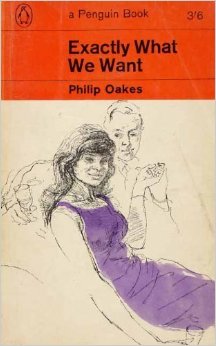 I was crawling around the floor at Oxfam when I found Philip Oakes’s Exactly What We Want on a VERY low shelf among the vintage Penguins. The pages are tanned, but it cost only £1.50. And this brilliant 1962 novel turned out to be the find of the trip.
It is reminiscent of Kingsley Amis’s satire, Lucky Jim. Both novels center on an anti-hero who hates his profession, though in this case it is journalism, not academia. The protagonist, John Draper, works as a reporter for a kind of lowbrow AP news agency which sells sensational articles to newspapers and tabloids. The reporters cover the police court and write features about singing dogs. (Actually, they get scooped on the singing dog.)
Oakes (1928-2005) knew this kind of journalism. According to his obituary at the Guardian, he worked briefly after the war for a news agency that covered police court news. Eventually he became the film critic at The Telegraph, held various jobs at the Times, and worked in television. He was also a poet and novelist. John Draper, alas, does not move on to better things.
Oakes is very sympathetic to Draper, who is rejected for all other jobs. Draper is so poor he must have his only pair of shoes fixed while he waits, drinks horribly bitter tea in a cheap cafe (he claims a spoon can stand up in it), and can barely afford an unheated room in cheap digs.
Doreen, the secretary, is the bane of his life at work. When she tells him that the boss, Mr. Fenning, says he must hurry to court and make no more mistakes about names and addresses, he tells her, “You know what Mr. Fenning can do.”
But Doreen gets the better of him.
Doreen spat delicately on to a block of mascara and dabbled a small brush in the mud. ‘I know that Mr. Fenning can sack you if he has a mind to,’ she said, starting operations on her right eye.
Draper felt his cheeks redden. Why he let himself get drawn into an argument, he had no idea. There was no point of it. He never won. And often he was forced into shameful retreat. Doreen had a gift for selecting the unanswerable phrase, or rather, the phrase which he lacked the guts to answer in the way it deserved. What he should say now he knew, was ‘Mr. Fenning can stuff his job.’ But he would never say it. Mr. Fenning might hear.
All of Oakes’s characters are well-drawn. Troy, a cynical young reporter, doesn’t worry about money because he lives with his family. He has an older girlfriend, Cynthia, but he goes out with other women on the sly. When he initiates Draper into the world of poetry readings, and Draper falls for Cynthia, Troy graciously hands her over. Cynthia, a sympathetic character who loves art and highbrow plays but enjoys Draper’s company, is separated from her husband, a pompous, superficial TV star who is going into politics. Cynthia understands marketing and manipulation, but she likes Draper, who doesn’t understand any of these things.
This is one of the most enjoyable novels I’ve read this year. Draper is a more innocent, naive character than Amis’s Jim Dixon, and Oakes’s tone is slightly more serious, but both heroes denounce the hypocrisy of their professions. Whether they find something better is another question.
After I read all my London books, I hope to find more by Oakes.
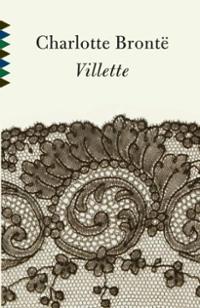 I am rereading Villette, Charlotte Bronte’s autobiographical masterpiece: rereading classics is the best remedy for jet lag. In this intense, gorgeously-written novel about a solitary woman, the narrator, Lucy Snowe, travels to Belgium in search of work. Stalked by two men as she seeks a hotel in Villette, she loses her way and finds herself in front of a girls’ school. She believes fate has led her to the school, where she finds a post as an English teacher. Her life is gray and quiet, but it is not dull. Orphaned and alone, Lucy is a more repressed, quieter doppelgänger of Bronte’s Jane Eyre. She does not get the guy. She will never meet Mr. Rochester. Well, there is a guy, M. Paul, but he is less romantic than Mr. Rochester (whose brusque, sadistic manner does not endear him to me). Bronte spices up the restrained narrative with a fit of delirium, a ghost, and a drug dream. The narrative has the effect of being as sharp, crystalline, and claustrophobic as a hall of mirrors.
In a chapter set in London, Lucy wanders into a bookstore and spends money she can’t afford.
Elation and pleasure were in my heart: to walk alone in London seemed of itself an adventure. Presently I found myself in Paternoster Row–classic ground this. I entered a bookseller’s shop, kept by one Jones: I bought a little book–a piece of extravagance I could ill afford; but I thought I would one day give or send it to Mrs. Barrett. Mr. Jones, a dried-in man of business, stood behind his desk: he seemed one of the greatest, and I one of the happiest of beings.
No wonder I identify with Lucy!
I wonder if she ever sends that book to Mrs. Barrett…
THE TENTH ANNIVERSARY OF STEPHANIE MEYER’S TWILIGHT.
 I love Twilight!
Yes, I really do.
Some years ago, a friend pressed this book into my hands. She said I would not be able to put it down.
Not only did I race through Twilight, but I dashed off to Target to buy the other three books.
Okay, the story is unrealistic. Bella falls in love with a vampire. But so what? Are humans so great? Edward is a sensitive, well-educated guy. He is great at sports. He fights evil vampires. And eventually Bella saves the world. I mean it!
Meyer is a witty writer and a great storyteller. There is a lot of humor in this novel.
Is the writing good? Well, some of it is.
In the beginning of Twilight, we learn that the narrator, Bella, has “exiled herself” to Forks, Washington, a town she detests, to live with her father. Her description is amusing and reasonably well-written.
In the Olympic Peninsula of northwest Washington State, a small town named Forks exists under a near-constant cover of clouds. It rains on this inconsequential town more than any other place in the United States of America. It was from this town and its gloomy, omnipresent shade that my mother escaped with me when I was only a few months old. It was in this town that I was compelled to spend a month every summer until I was fourteen. That was the year I finally put my foot down…
In honor of the tenth anniversary of Twilight, Hachette as published a “double feature” edition of Twilight. In addition to the original novel, you can read Life and Death, Meyer’s reimagining of the story from a male point of view.
I do want to read this, but I can certainly not buy any more books this year. Instead, I will reread Twilight.
Bronte and Meyer together: why not?
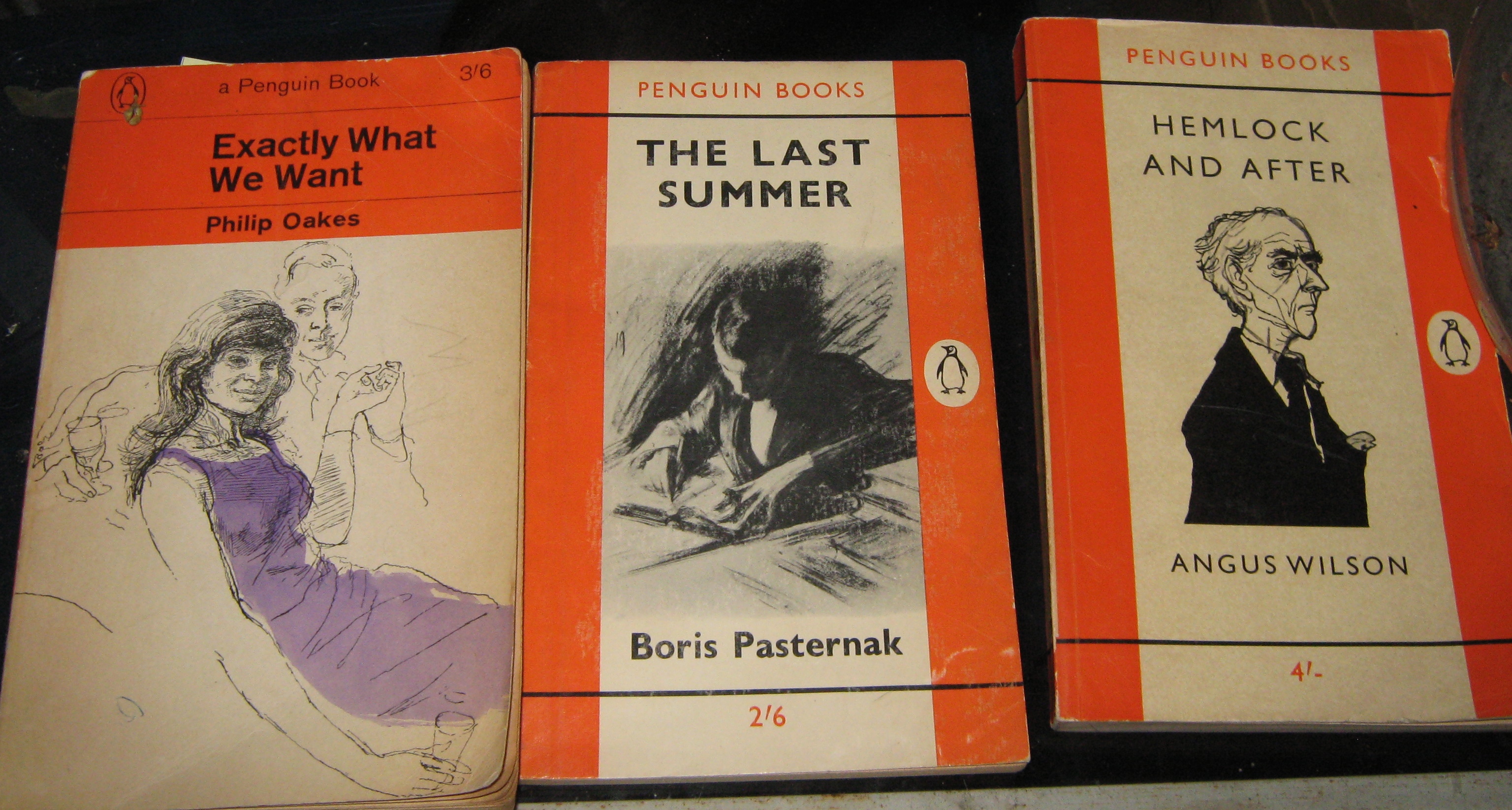
Three of 15 used books I managed to fit in my suitcase!
“Objects may shift in overhead compartments,” the airline’s recorded voice says neutrally.
I don’t worry about objects shifting. I checked my bag at Heathrow because it was so heavy. I’d managed to squash in 15 paperbacks by dint of leaving behind a guidebook, a cat sweatshirt, and an umbrella.
I spent a LOT of money on books. I spent a LOT of money in London, period.
I have studied the receipts from my vacation and my reaction is:
Argghhhhhhh!
I broke all the rules of The Plan.
The Plan:
But, to quote the hilarious cartoonist Cathy Guisewite on the subjects of hectic overspending and ruining diets,
“I can accomplish more in one lunch hour than most people can in a single month.”
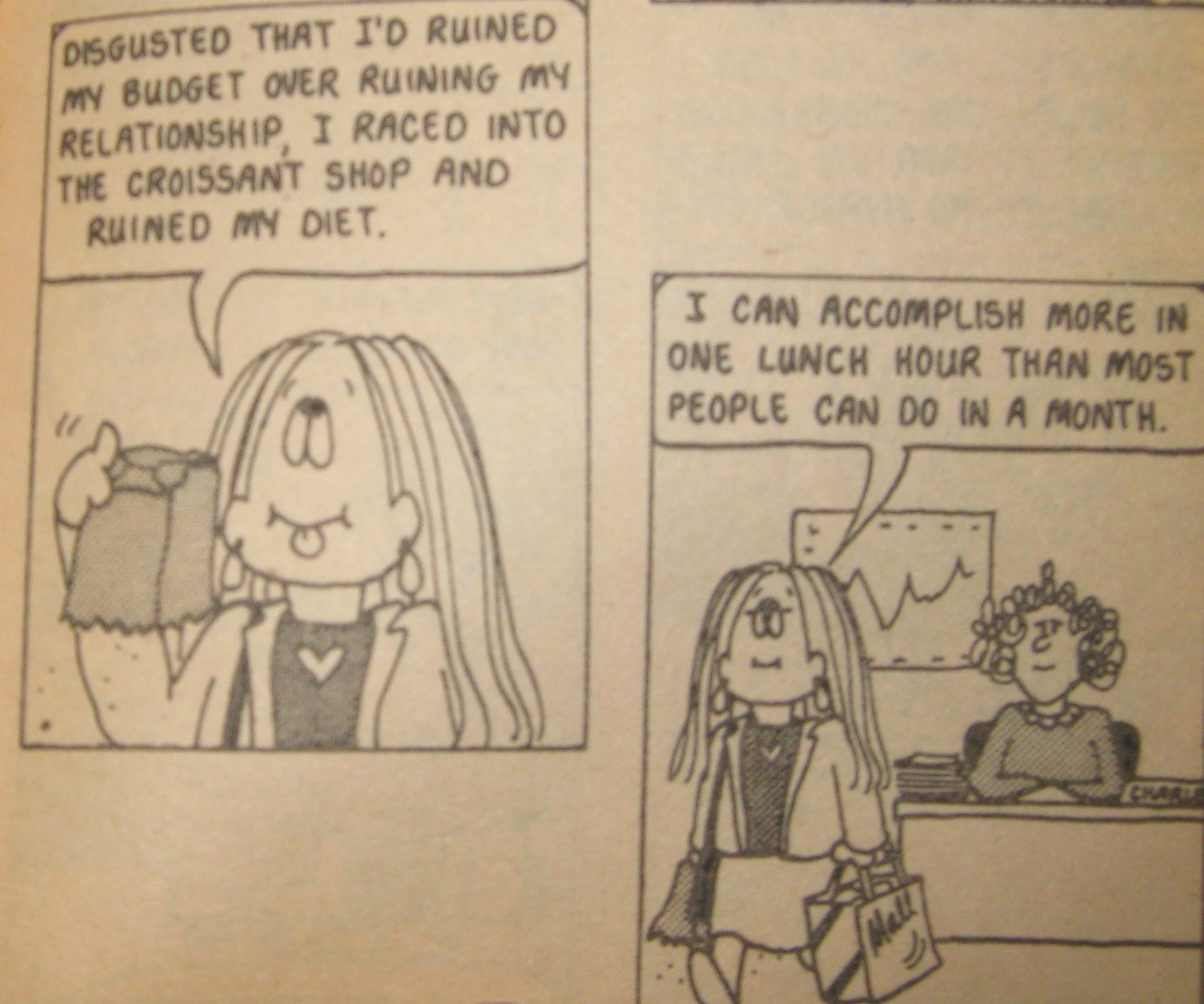
Unlike Cathy, the heroine of such cartoon masterpieces as It Isn’t Smog. It’s Eyeshadow!!, I did not squander money after a fight at lunch with a boyfriend. No, I simply added lunch to my budget. Before sunning myself outside the British Library, I stopped at Starbucks for a venti coffee drink and a snack. At Marks and Spencer, I bought a tiny package of crystallized fondant. (Fascinated, I watched the clerk tie it up with a bow, knowing I would tear into it minutes later). I ate takeaway sushi. And every time you go to Tesco Express, you spend £10.
I also broke my rule and attended two ticketed exhibitions at museums, one brilliant, the other less so. The Ai Weiwei exhibition (£17.60) at the Royal Academy of Arts was extraordinary, a retrospective of 20 years of beautiful, weird sculptures and installations, all of which make political statements about Chinese history, culture, and repression. On the other hand, “Celts: Art and Identity” (£16.50) at the British Museum perplexed me. The background provided by the curators seemed inadequate. Write better placards, please!
But, honestly, I would have been happy simply to go to bookstores in London.
As you can see from the picture at the top of the page, I stocked up on old orange Penguins. I found them at Oxfam, a charity shop, and Skoob, a used bookstore. I have already read and enjoyed Philip Oake’s comic novel about a journalist, Exactly What We Want; and look forward to Boris Pasternak’s The Last Summer, an autobiographical novella; and Angus Wilson’s Hemlock and After. I also picked up old Penguins of Lynne Reid Banks’s The L-Shaped Room (which I read long ago and loved) and Margaret Drabble’s The Realms of Gold, because I feel like rereading it.
I bought mainly used books, but I also bought new. Here are the contents of the suitcase!

The Stevie Smith and H.E. Bates are (I think) from Skoob (or Oxfam?), and the Dickens is from the Dickens Museum.
 I picked up these two Perspehonbes at the lovely, if minuscule, Persephone store. (I also bought a novel by Jane Hervey, which is in the box I mailed to myself.) I intended to buy Elizabeth Berridge’s short stories, but must have absent-mindedly reached for Every Eye instead. Well, it’s quite good anyway, and I will write about it soon.
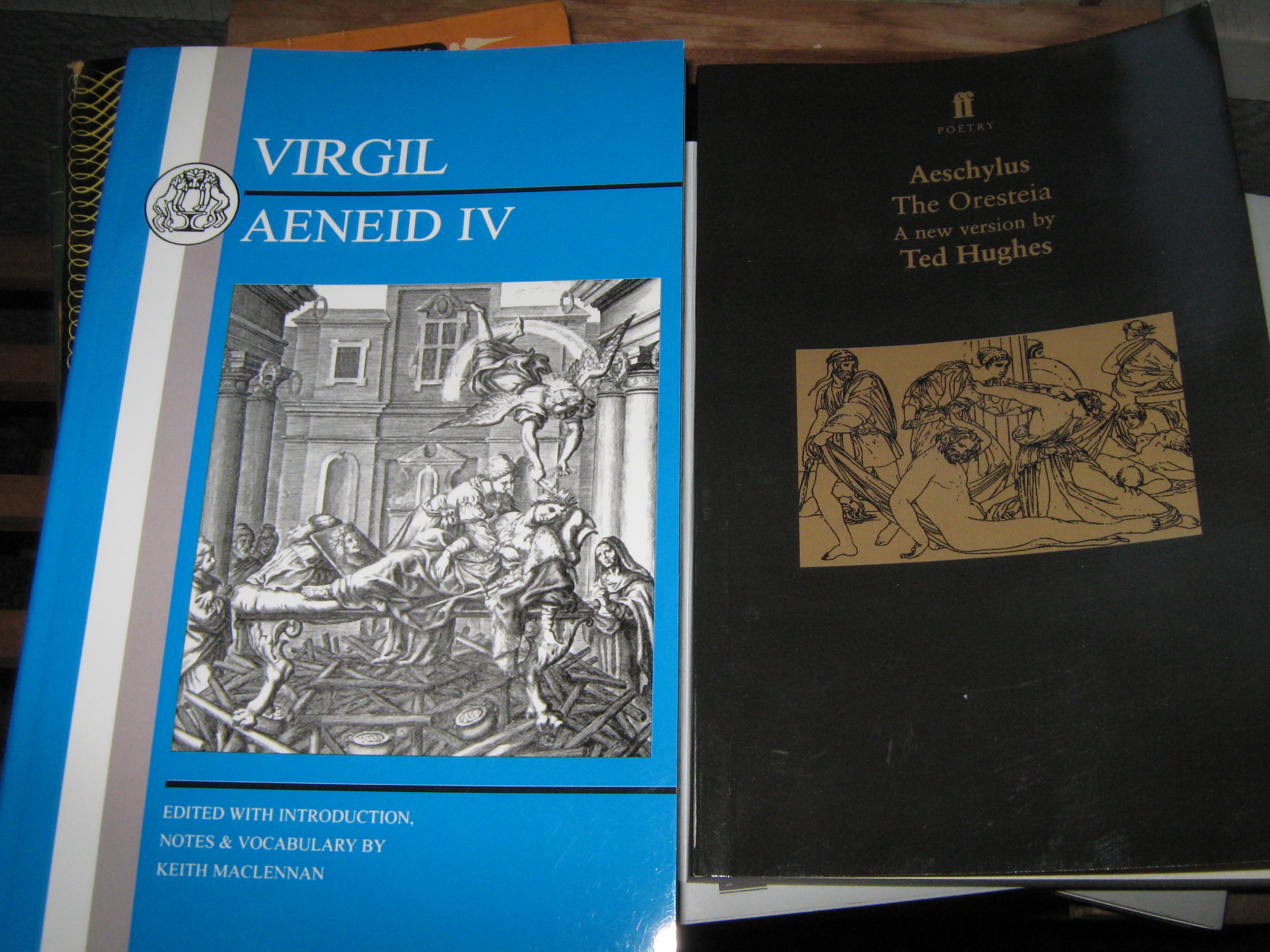 I picked up this nice copy of Virgil’s Aeneid, Book IV, at Foyles. It’s very soothing to read Virgil in a hotel room. Aeschylus’ The Oresteia, translated by Ted Hughes, came from the London Review Bookshop. I meant to see Robert Ickes’ Oresteia in London, but missed it, due to exhasution and confusion about the time.
I bought a Virago, Julia O’Faolain’s The Wall, at Judd Books in Bloomsbury, and at Skoob found a Penguin book of French short stories for my husband (with interfacing pages of French and English). And there may be another one or two still in the suitcase. I AM SO JET-LAGGED. I have spent the day in pajama.
There’s a box of books on the way! I will write about them, too.
So Happy Reading for a few months, wouldn’t you say? I plan to go on a Zero Spending kick now, like those earnest post-hippie types who dislike capitalist society.
 mirabile dictu